A deposit can secure a used car while you arrange a viewing or organise the money. Whether you can recover it depends on the terms, how the deal was made and the reason it falls through. Before paying, establish exactly what you are buying: a reservation, a commitment to purchase or a refundable holding arrangement. The distinction matters more than the word deposit printed on a receipt.
Ask for the reservation terms in writing
Find out how long the seller will hold the vehicle, what happens if an inspection identifies a problem and whether any deduction applies if you decide against buying. Ask whether the deposit will be credited towards the final price. Do not assume a small card payment is automatically refundable. A useful message to the seller is: can you confirm that the deposit will be returned if the vehicle does not match the advert or the agreed inspection conditions? Obtain an answer before making the payment and keep a copy.
Complete the initial vehicle checks first
There is often enough information in an advert to make a few checks without travelling. Ask for the reg, compare the make and model and read the recorded MOT and mileage history. If you are reserving a valuable car, consider a report covering relevant finance and damage history before transferring money. Where a seller will not supply the registration, ask why. You should be able to establish which individual vehicle the reservation relates to. This is especially useful if the dealer has several nearly identical cars in stock.
When the deal falls through
A change of mind, a vehicle that is not as described and a dealer that cannot supply the car are different situations. Keep the advert, deposit receipt and written terms. If the purchase was arranged remotely with a trader, consumer cancellation rights may apply depending on the facts of the contract. A payment taken online does not on its own determine whether the entire sale was a distance contract. If the seller refuses a refund you believe is due, ask them to explain the basis in writing. Seek advice on your specific circumstances before assuming that a chargeback or legal claim will succeed.
Reduce the risk next time
Set a limit on what you are comfortable paying before inspection. Use independently verified business and payment details and avoid being rushed into transferring funds simply because somebody else is supposedly interested. Make any inspection conditions part of the agreement. A car check is a sensible early expense when compared with a deposit you might struggle to recover. It gives you recorded evidence to discuss with the seller while the purchase decision is still yours.
Useful reading: Official and independent guidance.
Read the related Rapid Car Check guide. Check this car before you commit.
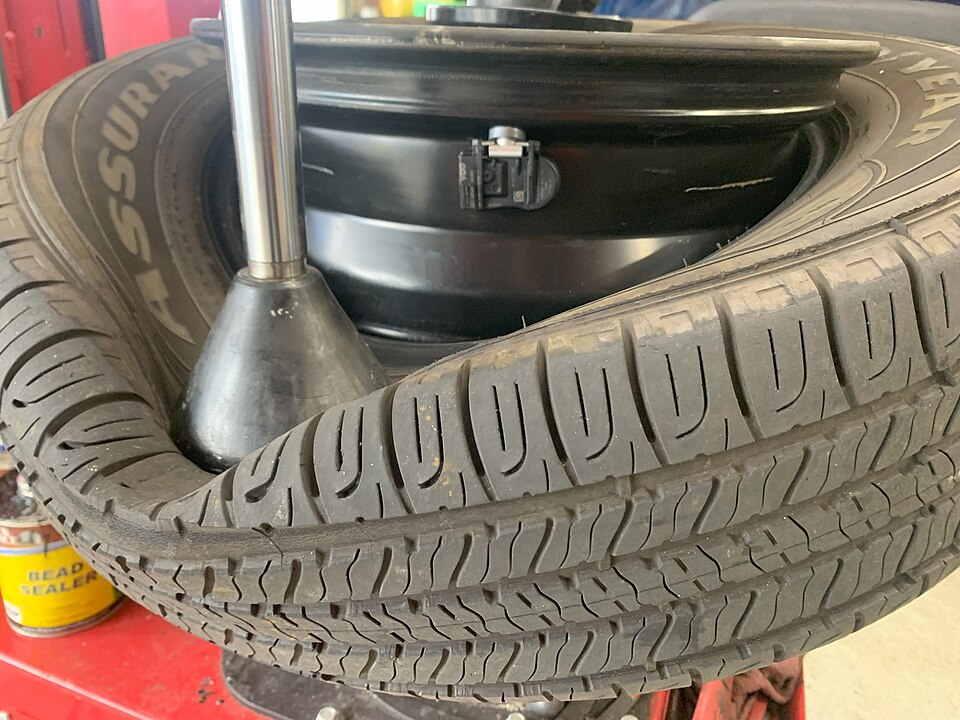
Photo: Ermell, Wikimedia Commons (CC BY-SA 4.0; resized).