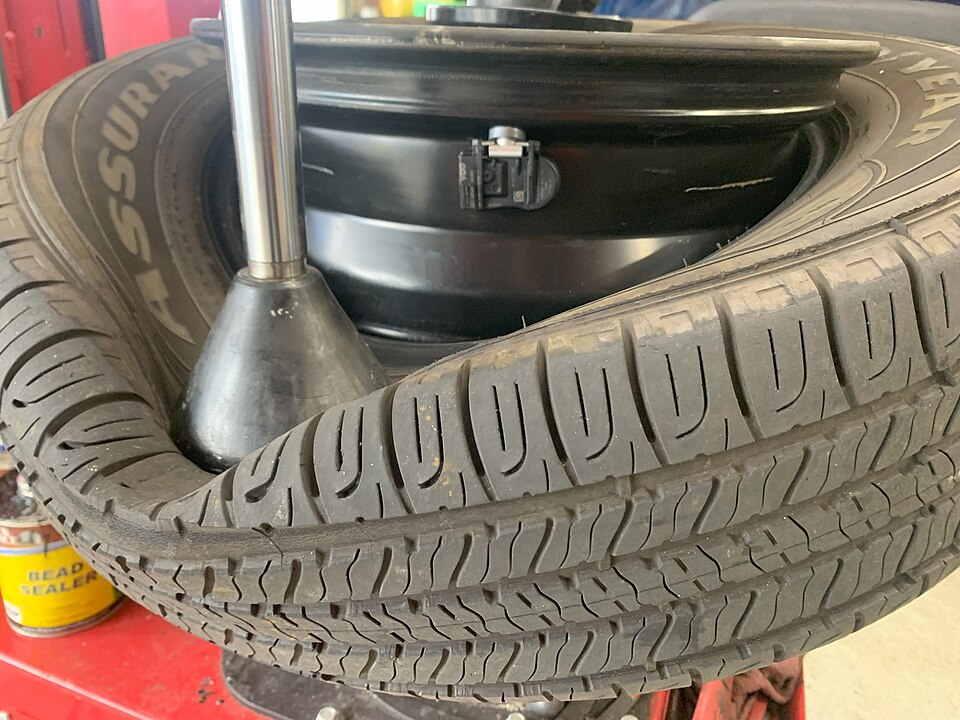
A broken coil spring is an MOT failure and a reason to stop a used car viewing until the suspension has been professionally assessed. The fault may show up as a low corner of the car, a clunk from the wheel arch or a previous MOT failure. Even a car sitting level can have a fractured spring, particularly if a small section has broken off near its mounting. Before buying, establish what has failed and what it will cost to put right.
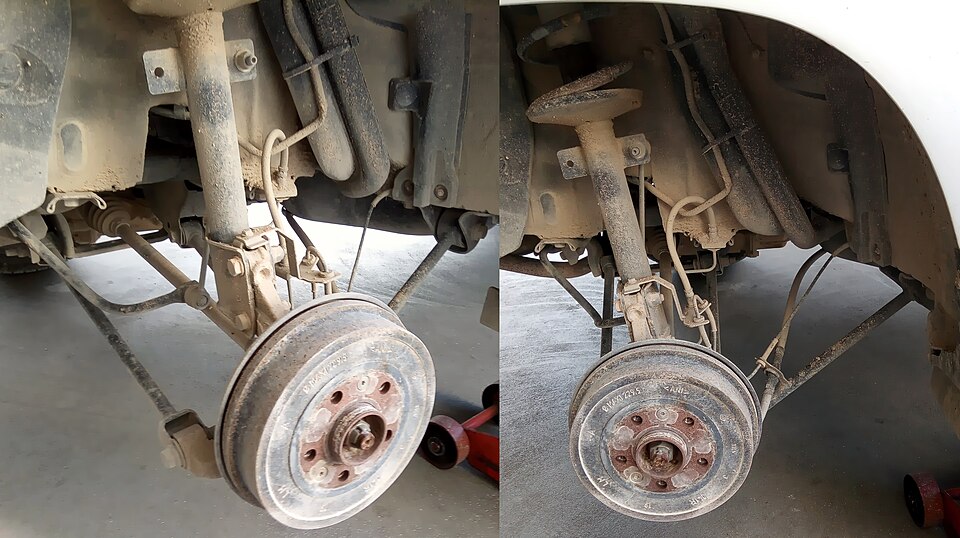
What does a coil spring do?
The spring supports the weight of the vehicle and allows the wheel to move as the road surface changes. The shock absorber controls the resulting movement. A spring can become weakened through repeated loading and corrosion, including exposure to road salt. The condition of the mounting and other suspension components matters too.
Will a broken coil spring fail an MOT?
Yes. Section 5.3.1 of the DVSA MOT inspection manual classifies a fractured or seriously weakened spring or spring component as a major defect. Other spring defects can be dangerous, for example if a missing spring affects directional control. A current MOT pass does not rule out damage that has developed since the test. Northern Ireland uses a separate testing system.
Signs to look for before a test drive
Stand back from the parked car on level ground and compare the height of the wheel arches on each side. Check for unusual tyre wear or evidence of contact between the tyre and surrounding components. Ask about any suspension noises or recent replacement work. The AA’s coil spring guidance explains the risks associated with a broken spring, including tyre damage. Do not drive a car with a suspected broken spring; arrange an inspection and safe recovery if needed. Do not crawl beneath an unsupported vehicle or attempt to remove a spring yourself.
What should you ask about a previous MOT spring failure?
Use the official MOT history service to identify the axle and side recorded on the test. Ask for the repair invoice and check the registration, date and work listed. A subsequent pass confirms the result at the later test, but the invoice can help establish what was replaced. If corrosion or suspension defects recur, ask a garage to inspect the surrounding components as well.
How much should you allow for the repair?
Obtain a written quote for the exact car. Spring specifications and access vary by model, engine and suspension design. Ask whether replacement in pairs is recommended for that vehicle and whether mounts, tyres or other parts need attention. Compare the complete repair estimate with the asking price and the price of a comparable car without the fault. A cheap spring advertised online tells you little about the total fitted cost.
Found one you like? Start with a Rapid Car Check by registration and compare the recorded history with the paperwork. Our tyre condition guide also explains what to look for at the wheels. A vehicle history check cannot establish current mechanical condition, so an independent inspection remains important.