Walk away from a used car deal when the seller will not let you check the vehicle, its identity or the paperwork. Pressure to pay immediately, changing explanations and a refusal to arrange an inspection deserve more attention than a freshly polished bonnet. A bargain only works when you know which risks you are accepting.
A seller rushing the deposit
Ask for time to compare the asking price, insurance quotation and paperwork. A seller may have other interested buyers, but claims that the car will disappear in ten minutes are not proof that you should skip normal checks. Never transfer a holding deposit to an unfamiliar personal account solely because someone threatens to end the conversation.
Confirm who receives the deposit, the conditions for refund, when the car will be available and the exact registration. Obtain the terms in writing. A rushed payment provides little comfort if the seller or vehicle cannot later be located.
Refusing the V5C, VIN or MOT checks
The official GOV.UK used car checks guidance asks buyers to compare DVLA details, MOT history, safety recalls, the V5C and the VIN. A seller who refuses to show the logbook or physically match the VIN is removing the very checks that distinguish the vehicle from its advert.
A V5C identifies the registered keeper but is not proof of ownership. If the seller’s identity and the keeper details differ, ask for a credible explanation and evidence of the right to sell. Keep the full registration visible on the viewing paperwork.
A suspiciously tidy car with no repair evidence
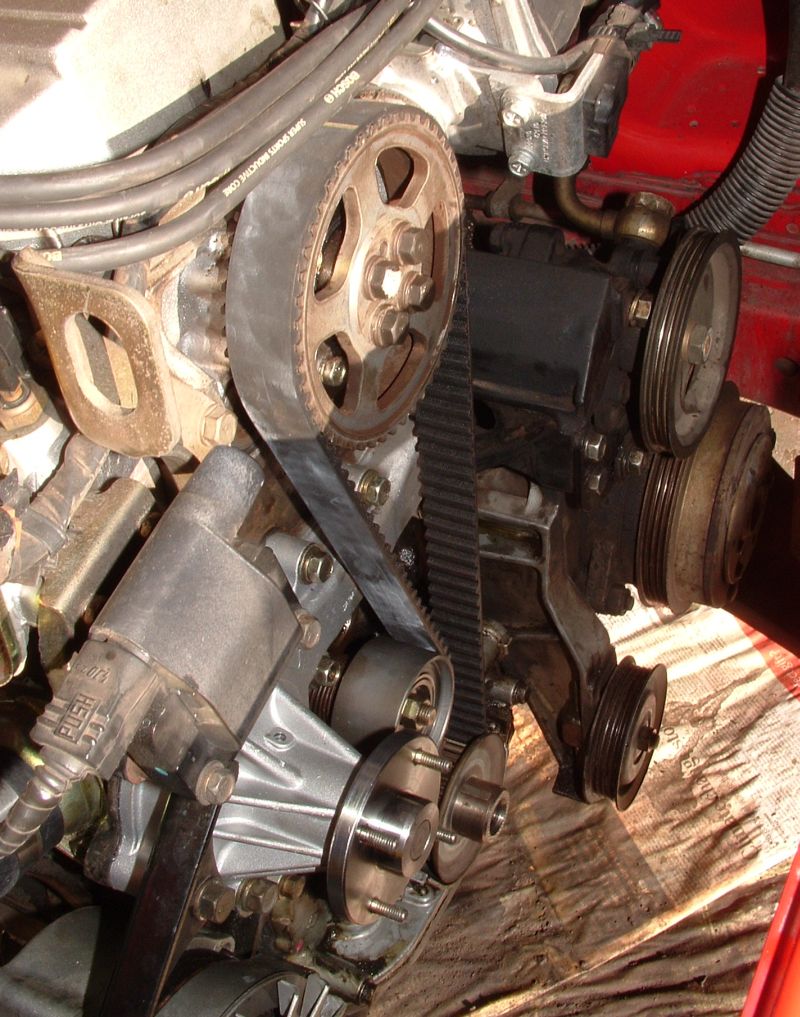
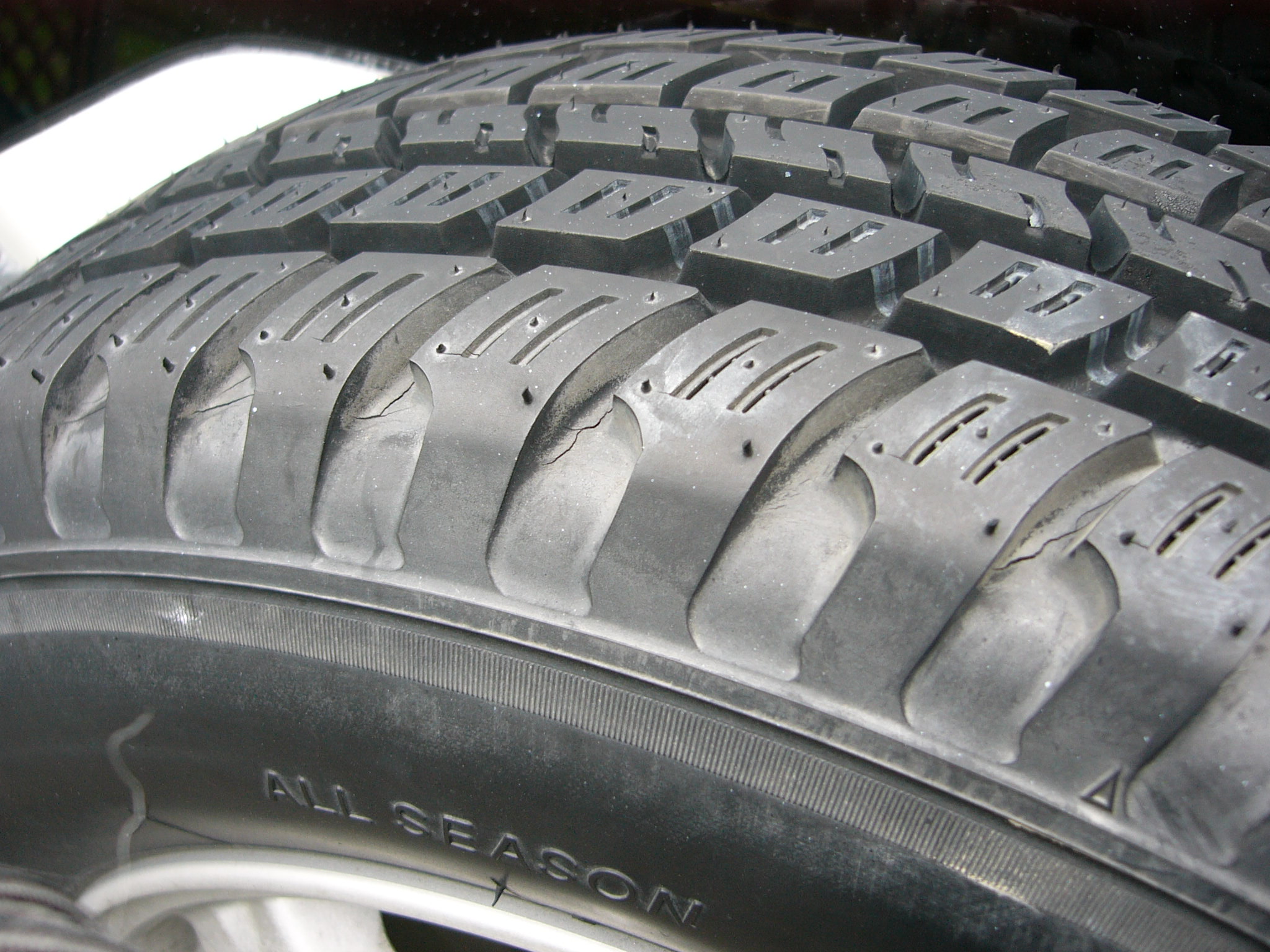
New tyres, fresh paint or a spotless engine bay are not faults by themselves. Ask what prompted the work and request invoices. Inspect panel gaps, uneven tyre wear, warning lamps, the condition beneath the car and the service history. A visible repair may be entirely legitimate; an unexplained repair needs further investigation.
Do not make accusations based on one cosmetic detail. Instead, compare the seller’s claims with a professional inspection and recorded history. Repeated changes to the account are a more useful warning than simply seeing a recently valeted car.
What to say when you feel pressured
Keep the exchange simple: ask for the registration and V5C, tell the seller you will run checks and confirm that a viewing and inspection are conditional on satisfactory answers. A genuine buyer does not need to apologise for checking a large purchase. If the seller refuses those conditions, leave your money where it is.
What does consumer advice say?
Citizens Advice recommends checking a trader’s reputation and the car’s history. Rights differ between a dealer and a private sale and depend on the circumstances. Read the transaction terms and keep the advertisement, messages and receipt. An informal promise is harder to resolve than a documented description.
Before making an offer, check the vehicle’s MOT history and recorded mileage with Rapid Car Check. Compare the results with the advert, dashboard and service paperwork. For recorded finance, stolen markers or insurance write-offs, compare RCC’s vehicle history reports and choose the coverage needed. A record check reports available data at the time of enquiry: it does not inspect the car or guarantee its mechanical condition.