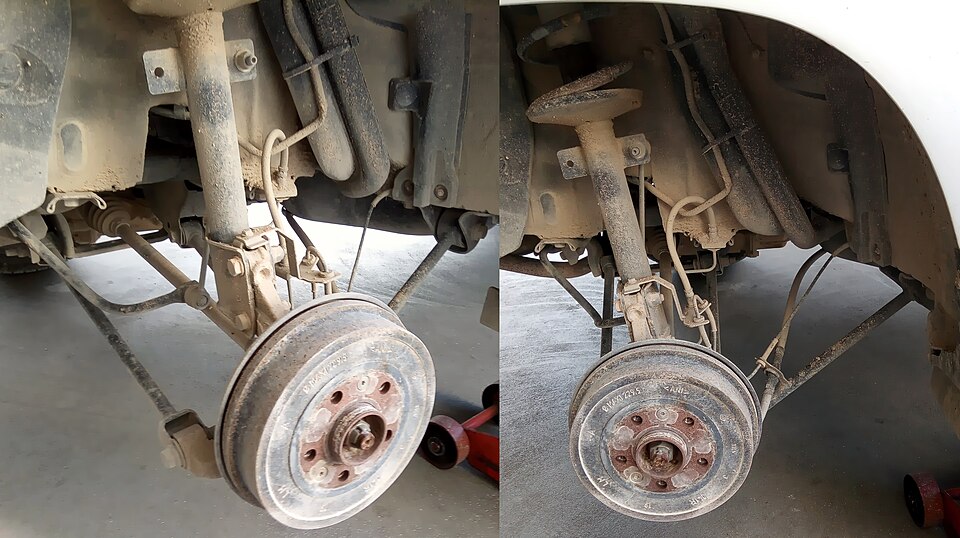
A tyre pressure monitoring system (TPMS) warning light deserves attention before you buy a used car. It may indicate a loss of tyre pressure or a fault with the monitoring system itself. For applicable cars, a malfunctioning system is an MOT failure. An illuminated warning alone does not establish that the system has failed. Work out why the warning is present before accepting the seller’s explanation or driving the car.
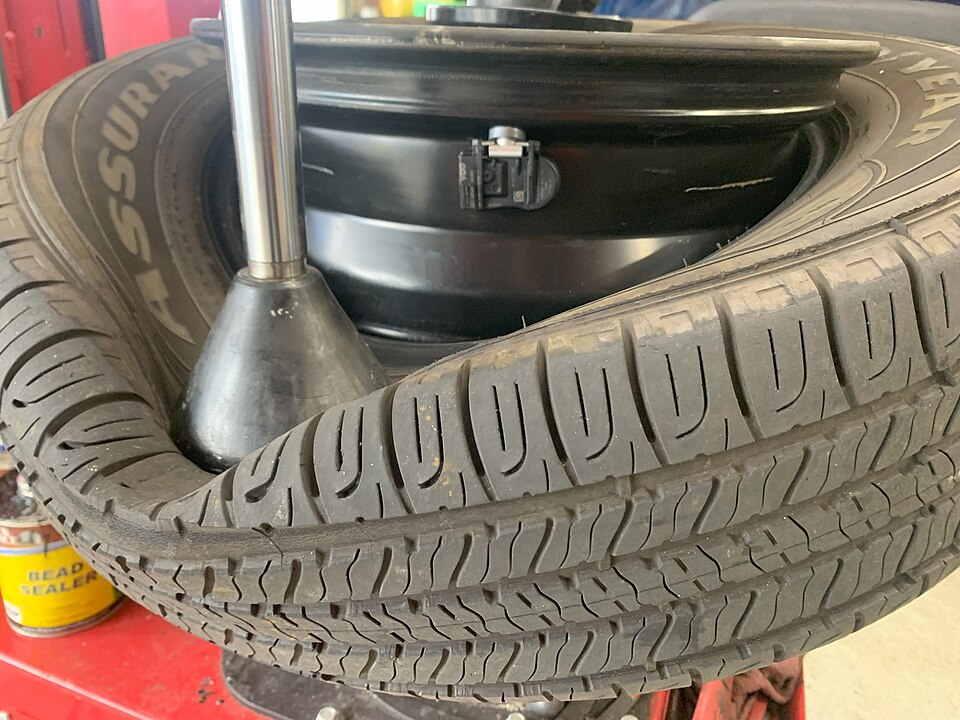
What is the difference between pressure loss and a fault?
Some systems use sensors associated with the wheels. Others infer changes through information from the car’s wheel speed sensors. Check the owner’s handbook for the exact system and warning behaviour. A tyre that has lost air may need investigation for damage or a puncture. A warning that remains after the correct pressures have been established could indicate a different problem, including a monitoring fault or a reset procedure that has not been completed. Do not assume a new sensor is required until a competent garage has established the cause.
What does the MOT manual say?
The DVSA MOT inspection manual applies the TPMS inspection to relevant passenger vehicles first used from 1 January 2012, subject to specified exceptions. A system that is clearly faulty or inoperative is classified as a major defect. Where the tester cannot distinguish a system malfunction from low tyre pressure, advisory information is recorded. Tyre condition and inflation are also assessed under the applicable rules. The Northern Ireland test process is separate, so check the relevant guidance if the vehicle is tested there.
What to check at a viewing
Ask the seller when the light appeared and whether any wheels or tyres were recently replaced. Obtain evidence of any diagnostic work. Check the tyres for obvious damage and ask for their cold pressures to be verified against the vehicle manufacturer’s requirements. If you suspect a puncture, serious underinflation or tyre damage, do not proceed with a test drive until the vehicle is safe. A dashboard reset by itself is not proof that a fault has been repaired. Check that the warning behaves correctly after any necessary investigation or repair.
Should you buy the car with the warning showing?
The answer depends on the cause, the safety of the tyres and the cost of putting the fault right. Ask the seller to resolve an unknown warning before you commit or obtain a diagnosis and written quote. Review previous MOT tyre and wheel findings and compare them with the present condition. A Rapid Car Check report can help put recorded defects and mileage in context, while the tyre inspection and diagnosis establish what the car needs now. A fresh MOT does not remove the need to investigate an active warning.
Read our guide to checking tyre age and condition and our dashboard warning lights guide for other checks worth making at a viewing.
Check this car before you commit. A vehicle history check cannot establish the current condition of its tyres or mechanical components.