Read a dashboard warning alongside the message on the screen and the owner’s manual for the exact vehicle. A symbol can identify a system needing attention, but it cannot diagnose the cause or tell you that the car is safe to continue driving.
If the car reports a stop instruction, feels unsafe or develops a serious change in braking or engine behaviour, stop safely and get appropriate assistance.

Engine management or ECU light
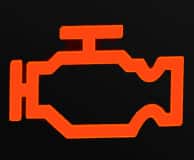
An engine warning can have several causes. Read the exact message and the manual for your model. If it flashes, the engine runs badly or power changes unexpectedly, stop safely and seek assistance. A diagnostic scan can help identify a fault; the symbol alone cannot diagnose it.
Oil pressure warning light
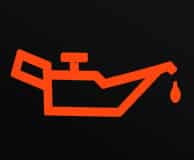
Stop as soon as it is safe and switch off the engine. Follow the manual before checking the oil level. A correct level does not resolve a pressure warning. If the warning remains or returns, get assistance before continuing. Ford’s owner guidance gives this same stop-and-check approach for low oil pressure.
Brake system warning light
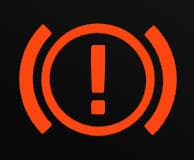
Check whether the parking brake is applied and read the vehicle’s instructions. If the warning remains with the brake released, braking feels abnormal or another brake message appears, stop safely and get professional help. Do not assume the repair will be minor or inexpensive.
Battery or charging warning light
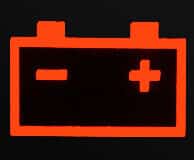
A charging-system warning with the vehicle running needs investigation. It can involve the charging system or its connections. Follow the manual and arrange assistance if necessary. The light alone does not establish that replacing the battery will fix it.
Airbag warning light

An airbag or restraint-system warning needs professional diagnosis. Do not assume the restraint system will operate normally. Follow the manufacturer’s instructions and have the fault investigated.
Temperature warning light

Stop safely if the vehicle reports overheating and follow the manual. Switch off where instructed. Do not remove a hot coolant pressure cap. Ask for assistance if you cannot establish a safe next step.
Low-fuel warning light

Refuel promptly using the correct fuel. The remaining distance depends on the vehicle and conditions. If the warning differs from the gauge or recurs unexpectedly, have the system checked.
Tyre pressure warning light

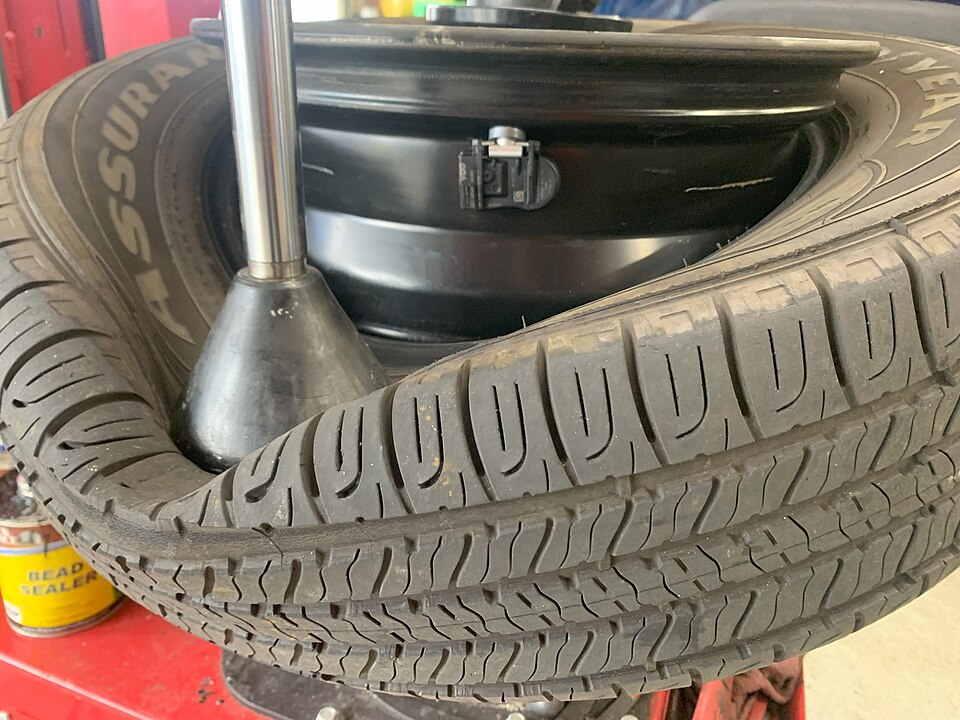
Inspect the tyres and check their pressures against the vehicle’s specified values. A visible puncture, damage or a tyre that will not hold pressure needs attention before driving. Follow the manual for checking and resetting the monitoring system.
Traction or stability-control light

A flashing indicator can show the system operating, while a persistent warning may mean a fault or a disabled function. Check the manual for the exact symbol. Drive appropriately for the conditions and investigate an unexpected persistent warning.
Seatbelt warning light

Check that the occupants’ belts are correctly fastened. An object on a seat or a sensor issue may affect a reminder. If the warning persists with the belts correctly used, arrange a check.
Door, bonnet or boot warning

Stop safely and check that the indicated opening is properly secured. A persistent warning can need a latch or sensor inspection. Confirm that the bonnet is secure before continuing.
Coolant warning light
A coolant-level warning and an overheating warning can require different responses. Read the message and manual. Let the system cool before carrying out permitted checks. An unexplained loss of coolant needs investigation, rather than repeated topping up without finding the cause.
Warning lights when buying a used car
Ask the seller to demonstrate the dashboard during the normal start sequence and explain any warning that remains. Request invoices and diagnostic evidence for a claimed repair. An extinguished warning alone cannot establish that a fault was correctly fixed.
Keep a mechanical inspection separate from the history report. Start a free car check to review available MOT and mileage records, then compare any advisories with the condition you find.
Find the instructions for your vehicle
Use the owner’s manual for the exact model and year. This guide covers common examples and cannot replace the vehicle’s own instructions. Ford’s dashboard warning guidance and owner manual finder are manufacturer examples, rather than a diagnosis for every model.