A flood damaged car check should combine the car’s recorded history with a careful inspection for water damage. Look beneath carpets, around seat mountings and inside the spare wheel well for trapped moisture, silt and unusual corrosion. Test the electrical equipment and ask the seller for evidence of any flood repairs before you agree to buy.
A vehicle history check may reveal an insurance write-off or salvage record. It cannot prove that a car has never been flooded. Equally, one damp carpet does not prove flood damage. The point is to find out what happened, what was repaired and whether the car is worth the asking price.
What counts as flood damage on a used car?
Flood damage can affect a vehicle that has been driven into deep water or left parked where water rises into the body, cabin or engine bay. The severity depends on the depth, duration and type of water, the vehicle design and which components became wet.
Problems can remain after a car has been dried and cleaned. Water may reach wiring connections, electronic control units, insulation, bearings or interior padding. Corrosion and intermittent electrical faults can emerge later, so a clean-looking cabin is only the beginning of the inspection.
Ordinary rain, condensation and a leaking door seal can also leave damp patches. Look for a pattern of evidence rather than treating one mark as a verdict. The AA explains how floodwater can damage vehicle electrics and engines in its floodwater driving guidance.
Seven signs of flood damage to look for
Inspect the car in daylight when it is dry, with the seller’s permission to lift mats and look inside accessible storage compartments. Take photographs of anything you want an independent inspector to examine.
- Persistent damp or musty smells. Check whether the cabin smells of mould, especially after the doors have been closed. A strong air freshener is not evidence by itself, but it should not stop you inspecting further.
- Wet or stained carpets. Feel beneath removable floor mats and around the edges of the footwells. Look for water stains or moisture that cannot be explained by an obvious local leak. Do not remove secured trim or electrical components yourself.
- Silt in unusual places. Look inside the spare wheel well, door pockets and other accessible low areas for grit or dried mud. Floodwater can leave deposits after visible surfaces have been cleaned.
- Unexpected corrosion. Inspect accessible seat rails, mounting bolts, metal brackets and boot fittings. Fresh or unusual corrosion in protected interior areas deserves a closer look, particularly if it appears in several places.
- Water marks behind trim or on upholstery. Uneven staining, tide lines and recently replaced carpets or seat fabrics may be worth questioning. There can be innocent explanations, so ask for repair paperwork.
- Intermittent electrical problems. With the seller present, check the windows, locks, central locking, interior displays, heating controls, lighting and safety warning indicators. Faults need diagnosis, not guesswork.
- Misting or water inside light units. Check headlamps and rear lamps for persistent moisture. Some condensation can occur normally. Heavy deposits or standing water, especially alongside other signs, warrant investigation.
Buyer tip: Ask what explains each unusual sign and whether the seller has a dated invoice or diagnostic report. Several unrelated answers are a good reason to commission an independent inspection before negotiating.
Can a car history check tell you if a car was flooded?
A vehicle history check can identify some recorded consequences of flood damage, but it is not a complete flood-damage test. For example, a car that an insurer declared a total loss may have a recorded write-off category. Available salvage records may provide further context. A car that was flooded but never recorded as an insurance write-off may have no such marker.
UK write-off categories describe the kind of damage and whether a vehicle can be repaired and returned to the road, not the cause of the damage. Category S concerns structural damage. Category N concerns non-structural damage. Either may require substantial repairs. Categories A and B are for vehicles that cannot return to the road. See the GOV.UK write-off category guidance and RCC’s guide to insurance write-off categories.
Do not assume every flood-damaged car is Category N or that a Category N car has only cosmetic damage. A Category N marker does not certify the quality of repairs or the current condition of electrics and safety systems.
Use a Rapid Car Check insurance write-off check to investigate available recorded history. For salvage and auction evidence, the salvage history guide explains what records and photographs may show and where coverage can be incomplete.
Questions to ask the seller about possible flood damage
A straightforward explanation supported by documents is more useful than a blanket promise that the car is fine. Ask the seller:
- Has the car ever been affected by a flood, deep standing water or water entering the cabin?
- How high did the water reach and how long was the vehicle exposed?
- Was there an insurance claim, write-off assessment or salvage sale?
- Are there photographs from before repairs and invoices showing what was replaced?
- Were wiring connectors, control modules, brakes and safety systems inspected by a qualified repairer?
- Can an independent specialist inspect the car and review the repair paperwork before payment?
For a car that has been written off and repaired, the government’s consumer guide to buying repaired written-off vehicles recommends checking repair quality and obtaining an independent expert report. Keep written copies of the seller’s answers and the invoices that support them.
Does a valid MOT prove a car has no flood damage?
No. An MOT checks specified roadworthiness and environmental items at the time of the test. It is not a comprehensive mechanical inspection, and it does not certify that every wiring connector, interior cavity or electronic module has escaped water damage.
The official MOT guidance says the test does not cover engine, clutch or gearbox condition. Review the vehicle’s MOT history for repeated faults, advisories and mileage consistency, but book an independent inspection if you suspect a flood incident. A fresh MOT is useful information, not a substitute for that inspection.
When is flood damage particularly serious?
Engine, transmission and brakes
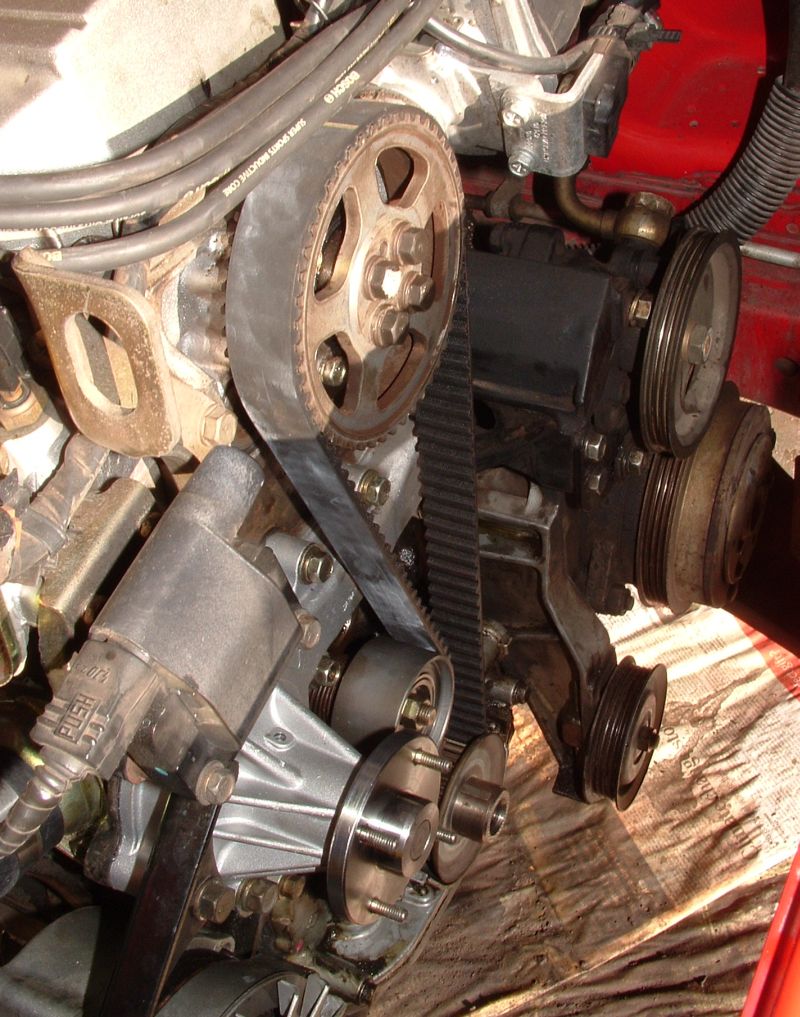
Water entering an engine’s air intake can cause serious internal damage. Water and contamination may also affect other mechanical systems. The size of any problem cannot be judged simply by whether the car starts. If you believe a vehicle has been submerged or has an unresolved flood-related engine problem, do not attempt to start it for a demonstration. Arrange professional assessment first.
Electrics, sensors and safety systems
Modern cars contain numerous electronic modules, connectors and sensors. Intermittent faults can be difficult to reproduce during a short viewing. Ask for diagnostic reports and evidence that water-affected parts were inspected or replaced. Make sure a qualified repairer checks any warning lights rather than accepting an explanation that they will clear themselves.
Electric and hybrid vehicles
Water exposure involving high-voltage battery components deserves specialist attention. Do not handle orange high-voltage cables, open battery housings or attempt electrical tests yourself. Use an appropriately trained specialist. The Health and Safety Executive’s guidance on electric and hybrid vehicles explains the hazards of working around high-voltage systems.
How to check a potentially flood-damaged car before paying
- Check the registration and paperwork. Compare the car’s registration, make and model against DVLA details. Match the VIN against the V5C logbook and the vehicle itself. Follow the GOV.UK used-car buying checks.
- Check the recorded history. Review available insurance write-off and salvage information. Investigate any discrepancies in mileage, dates or description. A clear history is a useful finding, not proof that flooding never happened.
- Inspect accessible areas in dry conditions. Look for multiple signs of trapped moisture, unusual corrosion, silt and replacement trim. Photograph concerns and ask for explanations.
- Request flood and repair evidence. Compare the seller’s account with any insurance paperwork, photographs, invoices and specialist diagnostic reports. Check whether the work was performed on this specific car.
- Arrange an independent inspection. If serious water exposure is known or suspected, instruct a suitably qualified mechanic or vehicle engineer. For an EV or hybrid, ask for appropriate high-voltage expertise.
- Check the financial implications. Ask your insurer whether it will cover the vehicle on the terms you need. Consider repair uncertainty and likely resale implications alongside the asking price.
Buying a car with documented water damage is a decision about evidence, condition and price. If the water depth is unknown, the repair record is patchy or the seller refuses an independent inspection, walking away may be the better value decision.
Found a used car you like? Check its recorded history first
Enter the registration at Rapid Car Check to see the available vehicle information and choose the history report that suits the purchase. Check any insurance write-off or salvage findings against the advert and the seller’s paperwork.
A recorded history check helps you investigate what is on file. It cannot confirm whether hidden water damage exists or guarantee the car’s mechanical condition. Combine it with the right physical inspection before you pay.
Frequently asked questions about flood-damaged cars
Can a flooded car look normal after it has dried?
Yes. Cleaning and drying can remove visible moisture while leaving corrosion, contamination or damage in less accessible areas. Check the history and repair documentation, then use an independent inspection if there are concerns.
Is a Category N car necessarily flood damaged?
No. Category N means the insurer classified the vehicle as repairable following non-structural damage. It does not identify flooding as the cause or confirm that the repairs are complete.
Does a clear history report rule out flood damage?
No. Reports depend on available recorded data. A flood incident that never resulted in an accessible record may not appear. Inspect the vehicle and ask about its repair history.
Should I buy a car with a known flood history?
Only consider it when the extent of the damage is clear, repairs are well documented, a qualified independent inspector is satisfied with the current condition and the price reflects the remaining risk. No inspection can guarantee the absence of future faults.
Featured photograph: Marathon / Geograph Britain and Ireland, via Wikimedia Commons, licensed under CC BY-SA 2.0. Resized for web; the modified photograph remains licensed under the same licence.