If a used car has a timing belt, ask for evidence of when it was last changed before agreeing a price. A seller saying ‘it’s been done’ is helpful only when the dates, mileage, parts fitted and correct service interval stack up. A belt that is due soon may affect the buying decision even when the car drives perfectly well on a short test.
Why does the timing belt matter when buying a used car?
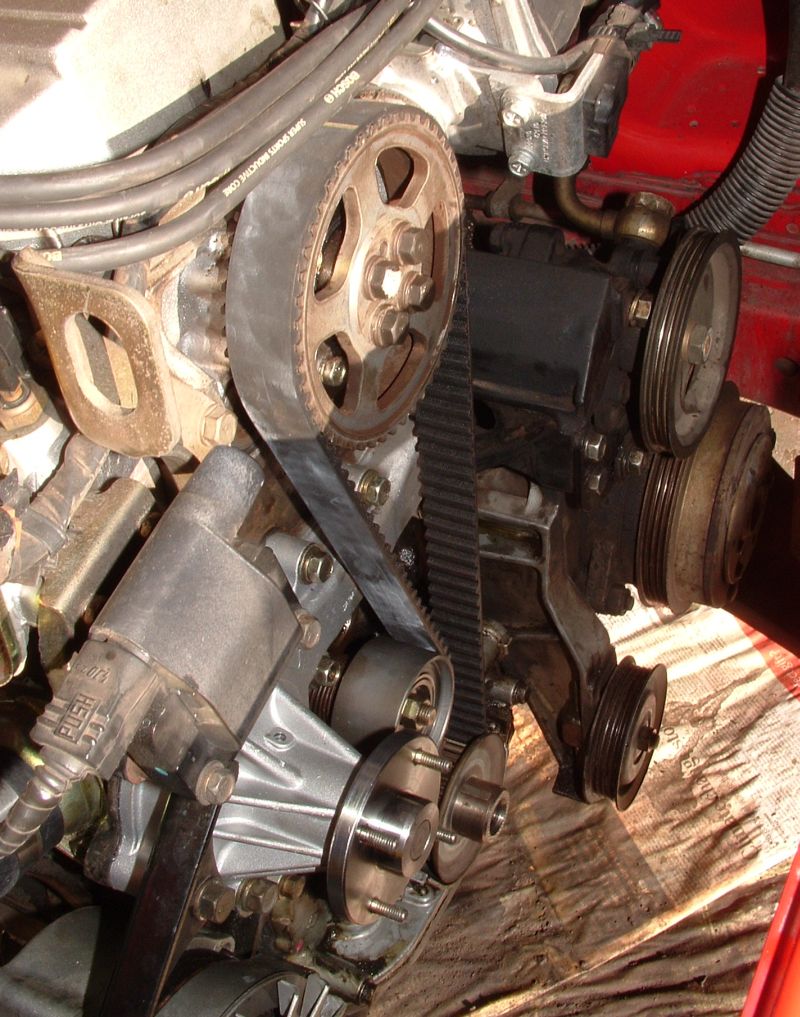
Many petrol and diesel engines use a toothed belt to keep the crankshaft and camshaft moving in the required relationship. The belt is a service component on engines that use one. A failure on some engine designs can cause extensive internal damage. Other engines use a timing chain and the inspection or servicing requirements can differ.
The first job is to identify the exact make, model, engine and year rather than assuming that every vehicle bearing the same model badge uses the same belt or interval. A manufacturer’s maintenance schedule is the starting point. Consult the service booklet, the manufacturer’s current guidance or a competent workshop with the engine identification details.
How often should a timing belt be replaced?
There is no universal mileage or age interval for all cars. Some replacement schedules specify both a time and a mileage limit, with the earlier threshold applying. The correct requirement can vary by engine, model year and later manufacturer guidance. The AA’s Peugeot 3008 buying guidance, for example, stresses that the correct belt interval can depend on engine and build year.
A car with low annual mileage may still be due because of elapsed time. Equally, a seller’s generic claim that a belt lasts a particular number of miles is not enough if the specific car has a shorter maintenance requirement.
What counts as convincing timing belt change proof?
Look for a dated invoice from a named garage or service provider. Ideally it will identify the vehicle or registration, recorded mileage, work carried out, parts supplied and any related components changed. Ask whether it includes the belt itself, tensioners, pulleys and the water pump where replacement was specified or recommended for that engine.
A stamp in the service book or an online service entry can support the invoice. A sticker under the bonnet may give the date and mileage but should not be your only evidence. If the seller has lost the invoice, a supplying garage may be able to confirm its own work with appropriate permission.
Compare the mileage on the invoice with the car’s recorded MOT mileage and its current odometer. Use the official MOT history service to review readings and advisories over time. A mismatch needs an explanation. Mileage records cannot prove that the belt work was actually done.
Does a recent MOT confirm the belt is in good condition?
No. An MOT is an inspection against defined roadworthiness requirements at a point in time. It is not a substitute for a manufacturer’s servicing schedule or a physical assessment of components hidden behind covers. The GOV.UK used vehicle buying checklist recommends checking the MOT and registration details, then comparing them with the car and its paperwork.
Do not assume that smooth idling, an absence of warning lamps or a successful short test drive proves a belt is sound. Some relevant parts cannot be properly assessed without specialist access and an inspection.
What if the car has a timing chain or a wet belt?
First verify the engine’s actual design. A timing chain is not automatically free of maintenance concerns. Listen for unusual noises and ask a specialist about engine-specific servicing and known warning signs rather than relying on a blanket rule that chains last forever.
Some engines use a belt operating in engine oil. These are often described as wet belts. The correct oil specification and servicing history can be especially relevant. The Rapid Car Check guide to used Ford Fiesta EcoBoost wet belts explains the questions worth putting to a seller where that engine is involved. The same advice cannot be transferred automatically to an unrelated engine.
How should the belt affect your offer?
Find the correct service schedule, verify the evidence and obtain a written quote for any overdue or uncertain work. Include access-related labour and parts in the estimate. If the evidence is missing, treat the work as unverified when calculating your budget. You can ask the seller to have it completed before sale or negotiate an amount that fairly reflects the likely work and risk.
If the seller refuses access to service records or there are conflicting claims, consider another car. A good advert and fresh MOT are not substitutes for maintenance evidence.
Complete the wider used car checks
Timing belt paperwork is one part of the decision. Compare the registration, vehicle identity, MOT history and recorded mileage, then look at any finance or other recorded history that is relevant to your purchase. Start with a Rapid Car Check by registration and bring the report to the viewing alongside the maintenance file.
A vehicle history report cannot verify timing belt condition, prove a specific repair or guarantee mechanical reliability. Have a qualified mechanic inspect the car when the history or condition calls for it and use the manufacturer’s requirements for the exact engine.