Winter tyres can be worth considering for a used car that will regularly encounter colder conditions, but the tyres already fitted deserve a closer look. Their condition, age, suitability for the car and the sort of roads you drive matter more than a seller’s description of them as winter ready. If a spare set is included in the deal, inspect that set too and establish whether it really adds value.
Understand what winter tyres are designed to do
Winter tyres use tread designs and rubber compounds intended for colder driving conditions. They may offer advantages in snow or cold weather compared with tyres designed primarily for warmer conditions. Performance varies by individual tyre, road surface and temperature. A winter marking alone does not establish how well a particular worn tyre will perform. Check credible tyre test information for the exact product where possible. A driver regularly travelling on untreated rural roads may have different needs from someone making short trips in a milder urban area.
Check size, markings and condition
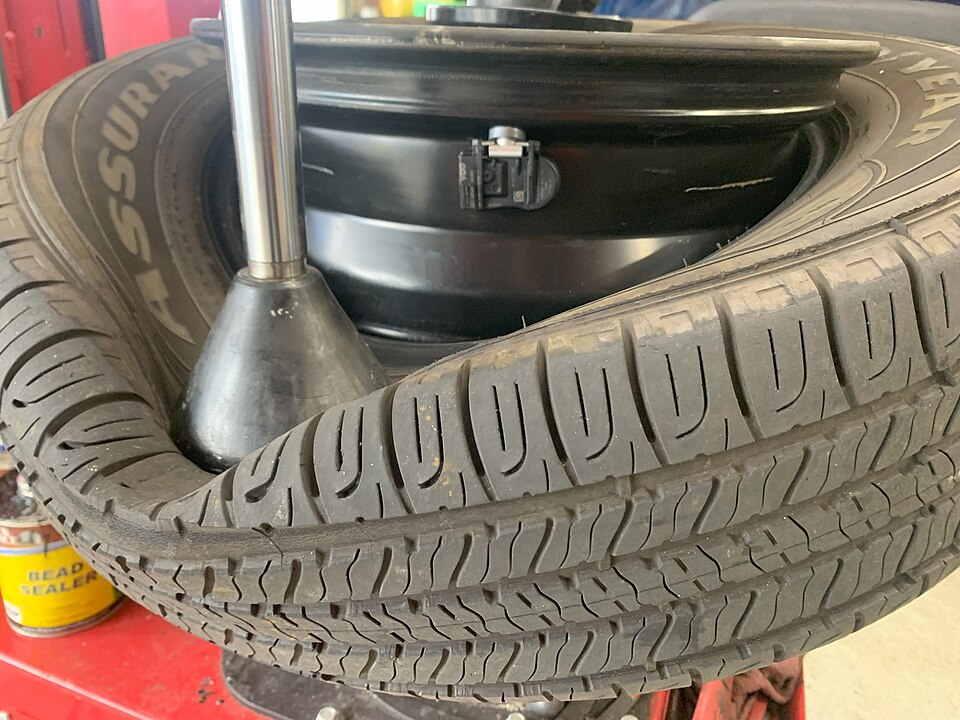
Compare tyre sizes, load ratings and speed ratings with the vehicle manufacturer’s requirements and obtain advice if an alternative winter wheel specification is being used. Inspect for visible cuts, bulges, cracking and uneven wear. Check tread depth and the tyre’s manufacturing date. UK rules require ordinary car tyres to have at least 1.6 mm of tread across the central three-quarters and around the circumference, but that minimum does not guarantee strong winter performance. Ask a tyre professional to assess any uncertainty rather than relying on photographs in an advert. Check cold pressures against the manufacturer’s information.
Establish what a second set includes
If the seller offers winter wheels, find out whether they are a complete compatible set and whether any necessary monitoring equipment is fitted. Ask where they have been stored and whether there is evidence of damage. Obtain a quote for any required fitting, balancing or replacement work. A set of old or unsuitable winter tyres may have little value even when the seller presents it as an expensive extra. Think about the storage and changeover costs if you plan to run separate seasonal sets.
Make the buying decision
Review previous MOT tyre and wheel findings to help establish what has been recorded and ask about any related repairs. A vehicle history report cannot inspect today’s tyres or determine their grip. Combine the records with a physical tyre assessment and quotes for replacements if required. Choose the car and its tyres on the basis of the journeys you actually make. In very poor winter conditions, even appropriate tyres cannot make every journey safe; follow the Highway Code and avoid unnecessary travel.
Useful reading: Official and independent guidance.
Read the related Rapid Car Check guide. Check this car before you commit.
Photo: Pava, Wikimedia Commons (CC BY-SA 3.0 it; resized).