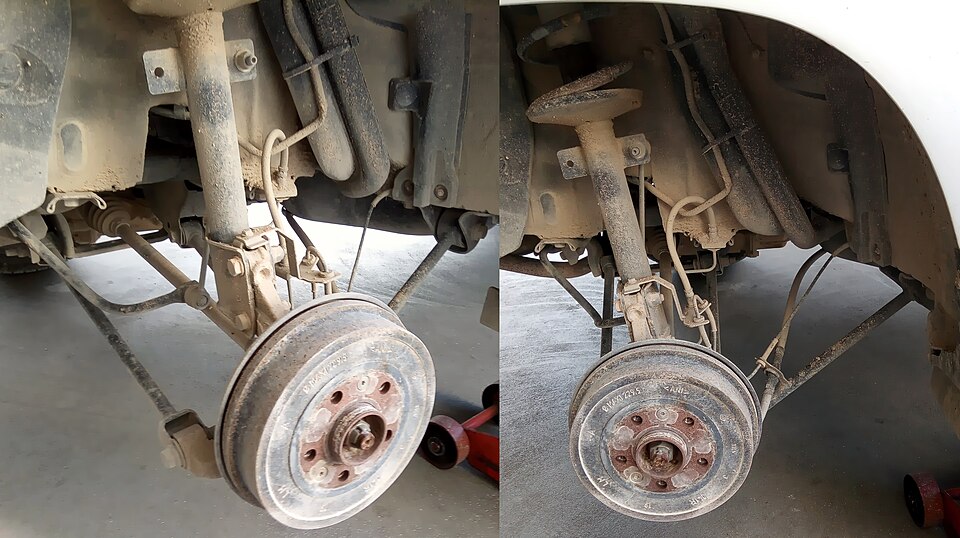
A humming or rumbling noise during a used car viewing may lead you to suspect a wheel bearing. It could also come from tyres or another rotating component. The useful next step is to have the noise identified by a competent technician before agreeing a price. A wheel bearing is a safety-related component and an uncertain noise is worth investigating rather than hoping it disappears once you own the car.
Notice when the noise occurs
During normal, safe driving, a noise that changes with road speed can be a useful observation for a garage. Note whether it is present on different road surfaces and whether it is accompanied by vibration or other symptoms. Avoid deliberately swerving, driving at speed or attempting manoeuvres intended to load a suspect bearing. Do not continue a test drive if the car becomes unsafe. A competent technician can distinguish possible bearing noise from uneven tyre wear and other sources using suitable inspection methods.
What the MOT inspection covers
The DVSA wheel bearing criteria include excessive movement and roughness, with more serious classifications when the condition threatens wheel security or control. A dangerous finding needs urgent attention. A wheel bearing can develop a fault between annual tests, so a recent pass is not evidence that a noise appearing today is harmless. Review the full MOT history for recorded wheel bearing findings, related tyre wear or suspension concerns and ask for the invoices relating to any repairs the seller describes.
Find out what a repair actually involves
Some vehicles use a hub assembly, while other designs require a different bearing replacement procedure. Parts and labour can vary substantially by vehicle and axle. The garage should establish which component is responsible and whether any additional damage or related work needs to be addressed. Ask for a quote for the exact vehicle rather than relying on the price of a generic bearing advertised online. Do not assume that both sides require replacement or that a different noise will be cured by the same repair.
Decide whether the car is still worth buying
A confirmed bearing fault may be a manageable repair on an otherwise good motor, provided the vehicle is dealt with safely and the cost is understood. An unexplained noise carries a wider range of possible costs. Ask the seller to arrange an appropriate repair or inspection before you commit. Compare the total purchase and preparation costs with another example of the same car. A recorded history report helps identify previous findings and mileage context, but it cannot listen to the car or establish bearing condition. Use the records alongside the physical inspection and a clear diagnosis before you make an offer.
Useful reading: Official and independent guidance.
Read the related Rapid Car Check guide. Check this car before you commit.
Photo: Dietmar Rabich, Wikimedia Commons (CC BY-SA 4.0; resized).