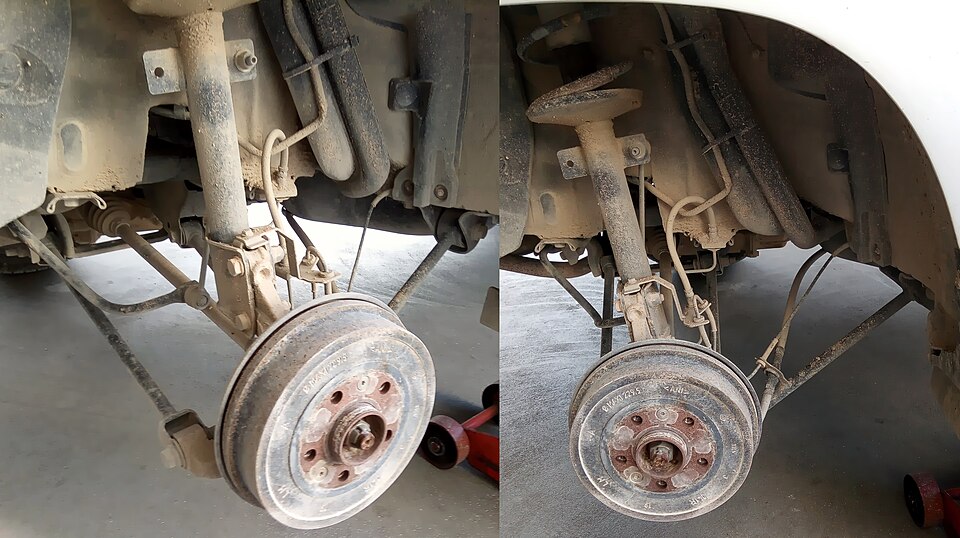
A worn brake disc advisory is worth investigating before buying a used car. The wording describes what the tester observed at the time of the MOT. It does not tell you how much useful service life the discs have left today or how much a garage will charge to replace them. Ask for a current brake inspection and establish whether the work has already been completed.
Understand the difference between an advisory and a failure
The DVSA brake inspection rules distinguish significant disc wear from more serious defects that threaten braking safety. For example, a significantly and visibly worn disc can be a major defect while a disc that is insecure or likely to fail may be dangerous. A manufacturer’s replacement limit can be more demanding than the statutory test criterion. Passing an MOT does not establish that the brakes remain within every manufacturer service recommendation. The actual condition and measurements matter for a buying decision.
Read the MOT history over several tests
Look for the first appearance of the advisory, which axle is mentioned and whether the same wording appears repeatedly. A subsequent test without the advisory is useful context, but it does not establish that new components were installed. Ask for the invoice if the seller says the brakes were done. Confirm whether it covers pads and discs, front or rear and the correct vehicle. Do not assume that replacing front brakes means the rear brakes have been checked and renewed as well.
Ask for a current inspection and quote
A technician can assess disc condition, thickness where appropriate, pad wear and other relevant parts of the braking system. Surface corrosion, grooves or a visible lip may warrant attention but visual appearance alone is not a reliable measurement of remaining service life. Do not remove wheels or attempt to inspect the brakes beneath an unsupported car during a viewing. If the braking system is showing warning signs or feels unsafe, do not proceed with a test drive. Obtain a quote for the actual work required, including labour and any related issues identified during inspection.
Compare the full cost of buying the car
Brakes are normal maintenance items, so an advisory need not automatically rule out an otherwise well-documented motor. A car with a low asking price and overdue brake work can cost more than a slightly dearer example with recent replacement evidence. Make that comparison using actual prices and condition rather than accepting a seller’s vague promise that the discs will last another year. Review the available vehicle history before travelling and put it alongside a competent inspection. The objective is a car with properly maintained brakes and a purchase price that accounts for what it needs next.
Useful reading: Official and independent guidance.
Read the related Rapid Car Check guide. Check this car before you commit.
Photo: Shixart1985, Wikimedia Commons (CC BY 2.0; resized).