An ex-taxi can be a tempting purchase if you want a roomy car at a modest price. The mileage is often the first thing buyers notice, but the nature of the work matters too. Repeated short journeys, stop-start traffic and long operating hours can create a different wear pattern from a privately owned motorway commuter. Look for evidence that the asking price accounts for the car’s working life.
Establish the previous use
Ask whether the car was a taxi, private hire vehicle or other commercial passenger vehicle and when it left that role. The seller may have licensing or fleet disposal documents that help establish the dates. Registered keeper information alone may not disclose exactly how a car was used. Compare the mileage readings with service invoices and look for changes that need an explanation. Where additional inspection records are available, establish what was inspected and when instead of assuming they replace the MOT history.
Inspect the passenger compartment
Check the rear doors, locks, seat belts, upholstery, windows and boot. A heavily used passenger car may have wear in areas a private buyer rarely thinks about. Look at the floor coverings and inspect any marks left by removed equipment. Test the ventilation and heating for both front and rear passengers if separate controls are fitted. Ask whether meters, signs or other fittings were removed and whether any electrical work was carried out. Persistent water ingress or damaged seat belt mountings need proper investigation.
Assess the drivetrain and running costs
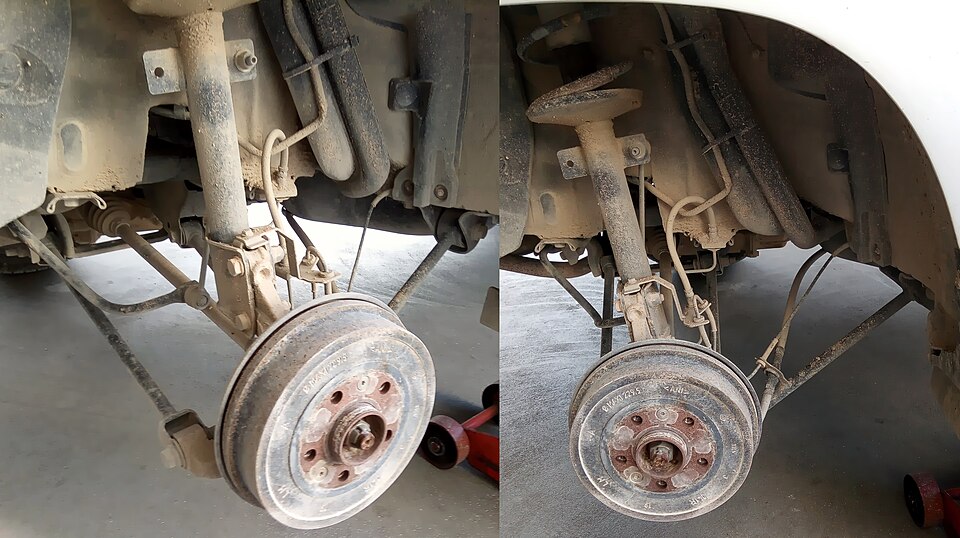
A high-mileage hybrid, diesel or automatic taxi may need different maintenance depending on its model and former duty. Read the actual manufacturer schedule and ask for evidence that relevant work was completed. A fresh MOT does not establish the condition of the clutch, gearbox or battery. Have any suspicious noise, vibration or warning light assessed by a competent specialist. Include tyres, brakes, upcoming services and an appropriate repair contingency when working out your maximum purchase price. Get an insurance quote based on the actual vehicle and declared history.
Decide whether the discount is worthwhile
Compare the total cost of buying and preparing the ex-taxi with a similar privately used car. If the former taxi is £1,000 cheaper but needs substantially more work, the price advantage can quickly disappear. A documented, carefully maintained vehicle may still be worth considering for the right buyer. Check the recorded vehicle history and investigate any unresolved discrepancy before paying. A car’s previous working role is one factor in the decision, alongside its present mechanical condition, service evidence and the miles you plan to put on it.
Useful reading: Official and independent guidance.
Read the related Rapid Car Check guide. Check this car before you commit.
Photo: W. Bulach, Wikimedia Commons (CC BY-SA 4.0; resized).