Collecting a used car in winter is a good time to establish whether it is ready for the journeys ahead. A clean exterior and a fresh MOT are useful, but cold weather can reveal problems with starting, visibility, tyres and heating. Work through the important checks before handing over the money or setting off for home. If the weather or the car’s condition makes the journey unsafe, change the collection arrangements.
Start with the documents and journey arrangements
Confirm the registration, vehicle identity and handover details. Arrange insurance and tax where required and establish the MOT status before driving. Look at the forecast for the collection journey and allow extra time. The Highway Code advises avoiding unnecessary travel in icy or snowy conditions. Consider whether collecting the car professionally or postponing the journey would be more sensible. Do not let the fact that you have travelled a long way to view a car influence whether it is safe to drive home.
Inspect tyres, lights and visibility
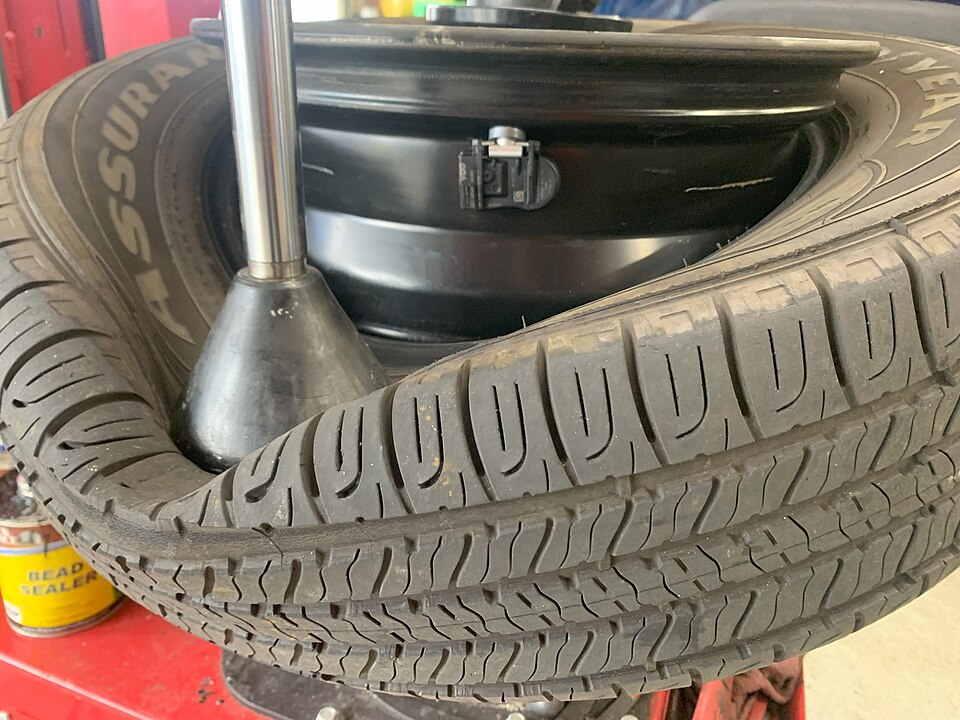
Check that the tyres are suitable for the vehicle and free from obvious damage, with the correct tread and cold pressures. Ask a tyre professional about any uncertainty. Demonstrate lights, wipers, washers and demisting controls with the seller. Ensure windows and mirrors can be cleared and that the car has suitable screenwash for the expected conditions. Ask about recurring misting or poor heater performance. A motor that cannot provide a clear view of the road should not be used until the problem is addressed.
Establish the maintenance position
Ask to see the car starting from cold where practical. Review the service evidence and ask whether fluid levels and winter protection have been checked according to the handbook. A vehicle with coolant loss, warning lights or uncertain braking needs proper assessment. Never open a hot cooling system. Check the recorded MOT findings and ask whether any relevant advisories have been resolved. An MOT pass does not guarantee that the car remains roadworthy today and it does not replace the manufacturer’s maintenance requirements.
Prepare for the first journey
Carry suitable warm clothing, a charged phone, a scraper and other appropriate emergency supplies. Plan a route and check fuel or charging availability for the vehicle. Make sure you understand its essential controls and warning information before driving away. If anything important is uncertain, request an inspection before accepting the motor. Review the available vehicle history before collection, then compare it with the physical condition and paperwork. A little planning is more useful than discovering a worn tyre or faulty demister on the first cold journey home. Use the current weather and vehicle condition to decide whether collection should go ahead.
Useful reading: Official and independent guidance.
Read the related Rapid Car Check guide. Check this car before you commit.
Photo: Wilfredor, Wikimedia Commons (CC0; resized).