If you are buying a used diesel car, check whether its diesel particulate filter (DPF) is still fitted and working properly. Where the vehicle originally had a DPF, removing it causes an MOT failure and can make the car illegal to use on the road. A recent MOT pass is worth examining, but it does not guarantee that an exhaust system has never been modified or that the filter is free from faults.
Ask the seller about DPF replacements, cleaning, warning lights and engine software changes. Compare MOT emissions results and mileage with the service invoices, then have a qualified garage inspect the car before committing to an expensive purchase. A registration-based history check provides valuable recorded information but cannot test the DPF.
What does a diesel particulate filter do?
A diesel particulate filter traps soot particles from the exhaust so they do not escape directly into the air. As soot accumulates, the vehicle’s control system periodically initiates regeneration to burn off much of the trapped material. The exact process and conditions vary between models.
According to the Department for Transport’s DPF guidance, unsuccessful regeneration can contribute to soot build-up and poor performance. Frequent short journeys can be one factor, but a warning light is not a reliable diagnosis on its own. Sensors, operating conditions or other faults may be involved.
Do not assume that a low-mileage diesel is automatically safer or that a high-mileage one is automatically worn out. Ask how the car was used, whether the appropriate servicing was completed and whether there is documented repair work. A specialist can interpret manufacturer-specific diagnostic readings.
Will a car with a removed DPF pass its MOT?
A missing DPF is an MOT failure where the vehicle was fitted with one when it was built. The Department for Transport says the test has included a DPF presence check since February 2014. Removing the filter will also almost always mean that the vehicle no longer meets the emissions standard to which it was approved, making it illegal for road use.
Read the official DPF removal and MOT guidance and the GOV.UK information on DPF fitting and type approval. The precise legal requirements depend on the vehicle and any replacement parts.
Some adverts use phrases such as “DPF delete”, “DPF mapped out” or “DPF removed for better running”. Treat such claims as serious reasons to investigate. Do not accept an explanation that a previous MOT pass makes the modification lawful.
A visual test and emissions test are not a comprehensive forensic examination of every part of the exhaust or engine software. If you suspect tampering, commission a competent independent inspection and ask for written findings.
Six warning signs worth investigating
- Dashboard warnings. An illuminated DPF, exhaust or engine management warning should be investigated using the manufacturer’s procedure and appropriate diagnostic equipment
- A seller who avoids emissions questions. Ask directly whether the filter has ever been removed, replaced, cleaned or disabled in software
- Repeated emissions-related MOT failures. Read the actual test history and ask what work resolved the problems
- Unusual exhaust smoke. Smoke can have several causes. Ask a qualified garage to investigate rather than diagnosing DPF failure from colour alone
- Reduced performance or frequent regeneration complaints. Symptoms can involve several components, so request diagnostic evidence
- Undocumented exhaust modifications. Unusual welds or mismatched parts may be innocuous repairs but deserve a credible invoice and technical explanation
A clear dashboard on a brief drive does not guarantee that all emissions equipment is intact or that no fault has been suppressed. Avoid removing trim or entering underneath a vehicle yourself when viewing one. Ask a workshop to check any suspicious components safely.
What should you check before buying a used diesel?
First ask for the registration, VIN and V5C. Follow the official used-car buying checklist to confirm the identity matches the paperwork and the car. Next, inspect the MOT history for dates, mileage and any emissions defects.
Ask to see service invoices. Look for the correct oil specification and evidence of work involving the DPF, sensors or exhaust. If the seller claims that a blocked filter was fixed, request the diagnostic printout and invoice showing what was done. A “DPF clean” entry tells you that work was undertaken, not that every possible cause of a recurring fault was removed.
Compare MOT mileage with service readings and the advert. Consistent records strengthen confidence in the vehicle’s history, but a mechanical inspection is still needed. RCC’s guide to checking digital service records explains how to verify entries that are not in a paper service book.
How much could a DPF problem cost?
Costs vary significantly according to the vehicle, the reason for the warning, availability of parts and the repairer. A diagnostic assessment is the starting point. The right work could involve identifying a faulty sensor, addressing a regeneration issue, repairing an underlying engine fault or replacing a damaged filter.
Ask the garage for an itemised quotation that identifies the exact model and engine. Confirm whether any proposed replacement filter meets applicable type-approval requirements. The official type-approval guidance explains the particular rules for some replacement DPFs.
Take the likely work into account before you negotiate. If you cannot establish what is wrong, a steep discount may not cover the true cost. Do not rely on an offer to “reset the fault light” as proof that the problem has been repaired.
Can a vehicle history check tell you whether the DPF was removed?
A vehicle history report does not inspect the physical filter or read the car’s engine control software. It can help reveal available recorded information that matters to the buying decision, such as the vehicle’s identity and certain finance, theft or insurance history records depending on the report selected.
Start with the Rapid Car Check registration lookup and choose a suitable history report if you want additional recorded checks. Compare the results with the V5C, MOT history and seller’s invoices.
For emissions issues, use a separate inspection from a repairer familiar with the exact diesel engine. The two checks answer different questions and work best together.
When should you walk away?
Be cautious when the seller admits a DPF delete, refuses a pre-purchase inspection or cannot explain repeated emissions failures. A missing service invoice is not proof of deception, but unexplained mechanical risks can quickly outweigh a tempting advertised price.
Ask for a repair assessment, inspect the documentation and keep a written record of the seller’s answers. If the filter’s condition or the legality of modifications cannot be established with reasonable confidence, consider another car.
Check the vehicle’s recorded history
Before you pay for a used diesel, enter its registration at Rapid Car Check. Review the available records and choose the report appropriate to your purchase.
A recorded history check complements the vehicle inspection. It cannot diagnose a blocked or removed DPF.
DPF and MOT questions
Can a DPF be removed legally from a road car?
Where removal makes the vehicle fail the emissions standards it was designed to meet, road use is unlawful. GOV.UK says removal almost always has this result. Seek specialist advice on your exact vehicle rather than relying on online claims about an exception.
Does an MOT pass mean the DPF is healthy?
No. The test checks prescribed requirements at the time. It is not a warranty against developing faults and it does not prove the filter has never been modified.
Is a short-trip diesel always a bad purchase?
No. Driving pattern is one factor in how regeneration works. Maintenance evidence and a qualified diagnostic inspection are more useful than mileage alone.
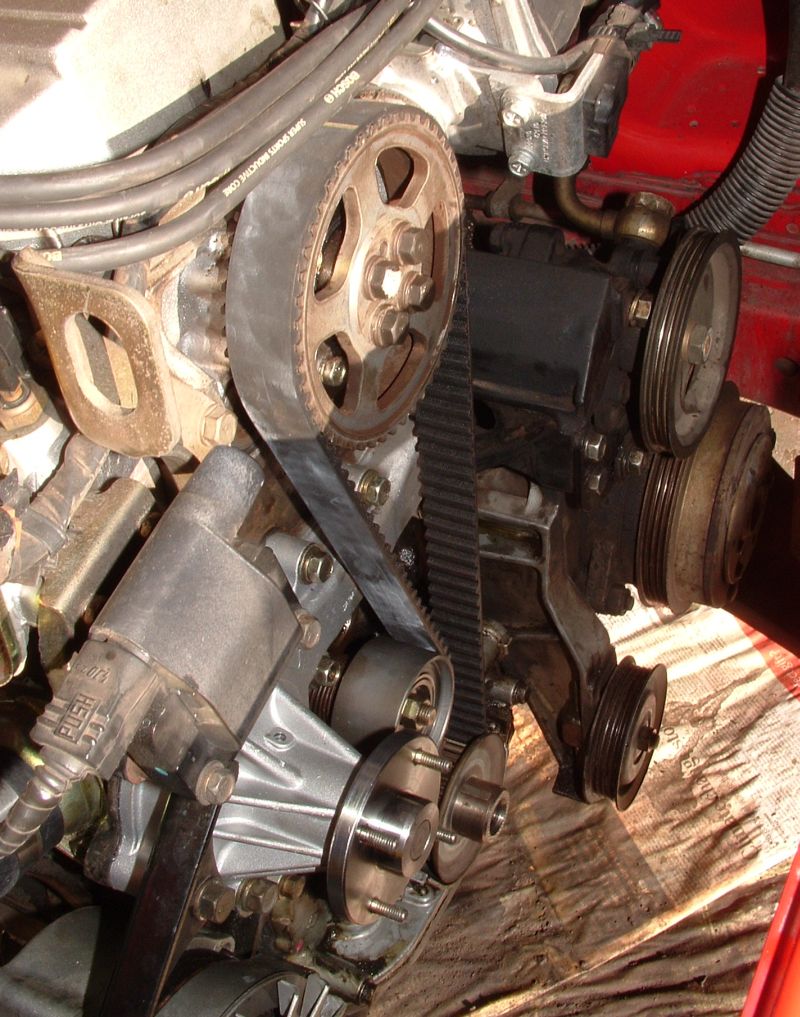
Featured image: Hatsukari715 / Wikimedia Commons, public domain. The photograph illustrates a DPF component, not the condition of any particular used vehicle.