Nearly 98,000 battery electric cars changed hands in the UK during the third quarter of 2026, according to SMMT figures published on 9 November. The year-on-year increase of 23.2% suggests that more used buyers are choosing electric cars. It gives shoppers a useful reason to compare more than one model, but transaction growth alone does not establish that a particular car is getting cheaper. Judge the individual asking price against comparable vehicles and the costs you will face as an owner.
What the market figures actually show
The SMMT recorded 97,625 used battery electric car transactions for the quarter, representing 4.8% of the used car market. These are transactions, not an index of average advertised prices or realised sale prices. More activity may reflect greater availability, buyer demand and other market factors. It does not establish how the value of a particular battery size, trim or model year has changed. Use the figures as context for your search, then collect current comparable listings for the exact type of car you want to buy.
Compare the specification as well as the price
Electric cars carrying the same model name may have different battery capacities, charging equipment or original options. Confirm which version each advert describes. Compare age, mileage, remaining warranty, recorded history and included charging cables. A cheaper example may have a smaller battery or a less convenient charging arrangement for your use. A high advertised range figure does not measure the battery’s condition. Ask for suitable battery information and consider a specialist inspection before committing to a valuable used EV.
Work out your own running costs
Include an insurance quotation, current vehicle tax, the charging options available to you and any installation work needed at home. Compare likely electricity use and actual tariffs with the miles you expect to cover. Where public charging is your main option, use the prices and access arrangements of the sites you would realistically visit. Avoid assuming that every household can use an inexpensive overnight tariff. A wider selection of cars is useful only if the vehicle suits your journeys and budget.
Use market choice to buy carefully
Create a shortlist of comparable motors and ask sellers the same questions about charging, battery warranty, servicing and recorded damage. Check the history before travelling and investigate anything that does not agree with the advert. A vehicle history report is a useful source of recorded information but cannot independently measure battery health or predict future running costs. If the first car does not satisfy your requirements, the growing used EV market gives you good reason to keep comparing. The objective is the right electric car at a price that makes sense for you.
Useful reading: Official and independent guidance.
Read the related Rapid Car Check guide. Check this car before you commit.
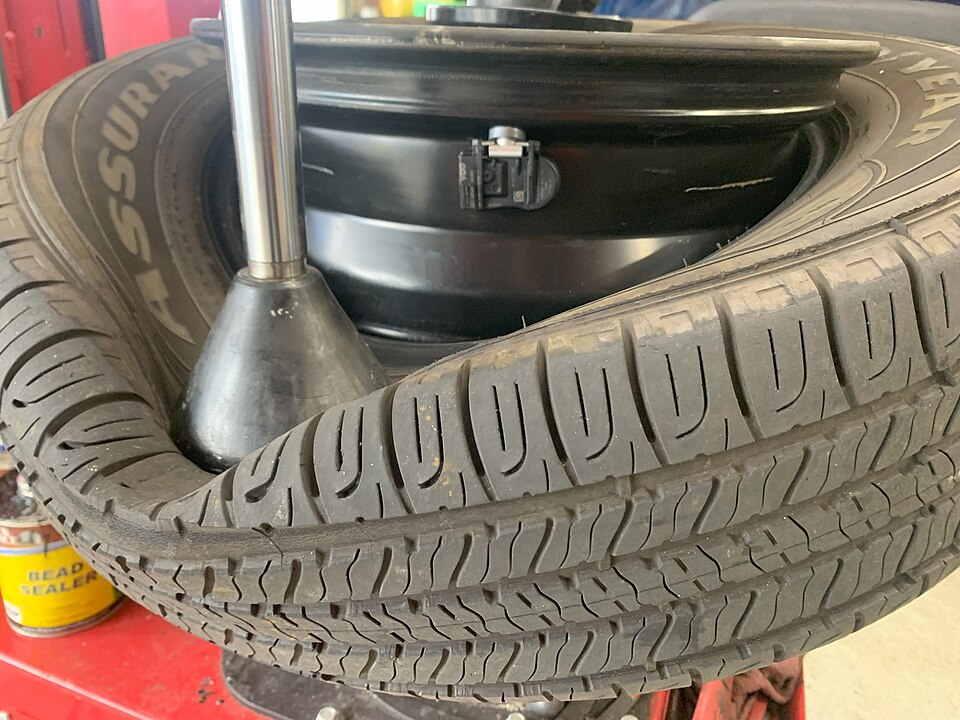
Photo: Correlated alembic, Wikimedia Commons (CC BY-SA 4.0; resized).