An engine number check is one of the identity checks to carry out before buying a used car, particularly if the seller says the engine has been changed. Compare the number shown on the engine with the V5C registration certificate and ask for evidence explaining any difference. A replacement engine can be a legitimate repair or upgrade, but the paperwork and specification need to be credible.
GOV.UK’s used-car checklist advises buyers to check both the vehicle identification number (VIN) and engine number against the V5C. DVLA also explains which documents are required when a registered engine number or capacity is changed. A registration lookup is a useful start but cannot physically read the number stamped on the engine.
What is the difference between an engine number and a VIN?
The VIN identifies the vehicle itself. The engine number identifies an individual engine or engine assembly according to the manufacturer’s marking system. They serve different purposes and should not be assumed to be identical.
A VIN usually remains with the vehicle throughout its life, subject to specific legal procedures for structural replacement and registration. An engine can sometimes be changed without replacing the car. A different engine number therefore raises an important question but is not automatic proof of theft or fraud.
Check the registration, VIN and engine details with the car’s physical markings and registration paperwork. The GOV.UK used-car checklist specifically advises comparing the engine and VIN numbers with the V5C while viewing the vehicle.
Where do you find the engine number on a car?
Location varies between makes, models and engines. The number may be stamped into an engine block, on a manufacturer’s plate or in a place that is difficult to see when the engine is fitted. A number on a plastic engine cover or a service sticker is not necessarily the stamped engine identification number.
Ask the seller or manufacturer’s service department to identify the location for that exact engine. Have the VIN to hand. If you cannot safely see it, ask a qualified mechanic to check it during a pre-purchase inspection.
Do not dismantle components or work around hot or moving parts in an attempt to read the number. If the marking is illegible, missing or appears altered, ask for a professional opinion and do not proceed on the basis of a seller’s verbal explanation alone.
What does it mean if the engine number does not match the V5C?
There are several possibilities. The engine may have been replaced following a breakdown. An earlier owner may have changed it as part of a restoration. The paperwork could be incomplete or out of date. Alternatively, a significant unexplained difference may justify further investigation into the engine’s origin.
Ask for the invoice for the replacement engine, the garage’s installation paperwork and evidence of the engine’s identity. Look for a date, supplier, registration or VIN, engine number, capacity and details of the work carried out. If the seller describes an identical replacement, check that the documentary and registration implications have been addressed.
A V5C mismatch is not something to ignore simply because the vehicle runs well. The DVLA vehicle-detail update guidance lists engine changes among the details for which the certificate must be updated.
Does a replacement engine need to be recorded with DVLA?
DVLA requires relevant changes to vehicle details to be recorded on the V5C. Its evidence guidance says that a change of engine number or cylinder capacity needs supporting documentation, such as a receipt showing the replacement engine’s number and capacity, written evidence from the manufacturer, an insurance inspection report or qualifying headed-paper confirmation from a garage.
Instructions for amending the V5C appear in the official DVLA update procedure. Certain changes, including engine capacity and fuel type, use a different postal address and can affect vehicle tax. If a replacement engine has not yet been entered correctly, the current keeper should clarify what DVLA needs before completing the sale.
Do not treat a claimed engine swap as proof of a particular tax outcome or a modified car’s roadworthiness. The practical position depends on the vehicle, the change and the evidence DVLA requires.
Seven steps before buying a car with a changed engine
- Check the V5C. Compare the registration, engine number and other recorded details against the actual car
- Verify the VIN. Confirm that the number on the body matches the documents and the advert
- Ask for the engine’s origin. Request a supplier invoice and any evidence of the donor engine’s provenance
- Check the work. Ask who fitted it, when it was fitted and what parts or systems were replaced alongside it
- Confirm DVLA’s record. Ask for an up-to-date V5C or documentary evidence that the required change has been completed
- Consider insurance and modifications. Contact an insurer with accurate details of the replacement engine and any performance or capacity changes before buying
- Arrange a mechanical inspection. Ask a suitable specialist to assess fitting quality, leaks, wiring, cooling, emissions and related mechanical work
The engine swap may have occurred many years ago, particularly on a classic car. Old paperwork can still be helpful. If full documentation no longer exists, ask the seller how the registered information was verified and how a mechanic can assess the installation.
Could an engine swap affect reliability, insurance or value?
A replacement engine is not automatically a negative. A properly completed swap might be a sensible repair after failure of the original engine. Its effect on future running costs or saleability depends on the quality of the components, the installation, the documentation and the insurer’s assessment.
Confirm that the replacement is appropriate for the vehicle. Changes in capacity, fuel type or performance may affect how the vehicle needs to be registered, insured or tested. Ask your proposed insurer to confirm cover and any additional premium or conditions before you commit.
An independent inspection can help find visible problems and decide whether further testing is needed. It cannot guarantee the remaining service life of the engine. Request workshop invoices for any timing-belt, clutch, cooling-system or related work carried out during installation.
Compare this evidence with the car’s overall service history. RCC’s service history verification guide explains how to evaluate electronic records and supporting invoices.
Can a registration check confirm the fitted engine?
A vehicle lookup can help you compare available recorded specifications and identify other history issues before you travel to view the car. It does not look under the bonnet and cannot independently verify the physical engine number or the quality of a swap.
Use the Rapid Car Check registration lookup to review the available vehicle details. Consider a suitable history report for additional recorded checks, which may include information such as finance, theft and insurance history where included and available.
Compare the results with the current V5C, supplier and workshop invoices, and physical engine markings. If a discrepancy remains, resolve it before paying. The official GOV.UK buying checklist provides an independent reference for the identity checks.
Check the car’s recorded details before viewing
Enter the registration at Rapid Car Check to review the available vehicle information and choose an appropriate history check.
A history report complements an engine number inspection, up-to-date DVLA paperwork and a specialist mechanical assessment.
Engine number questions
Can a car retain its VIN after an engine replacement?
A replaced engine can have its own identifier while the vehicle retains its VIN. Treat the difference as a prompt to verify records and provenance.
Is it safe to buy a car with an engine swap?
Safety and reliability depend on the actual installation and condition. Ask a qualified mechanic to inspect it and obtain evidence that DVLA records and insurance information are correct.
Should I walk away if the seller cannot find the engine number?
Ask for a specialist inspection and manufacturer guidance. If the identity cannot be confirmed or paperwork remains inconsistent, delay the purchase until the uncertainty is resolved.
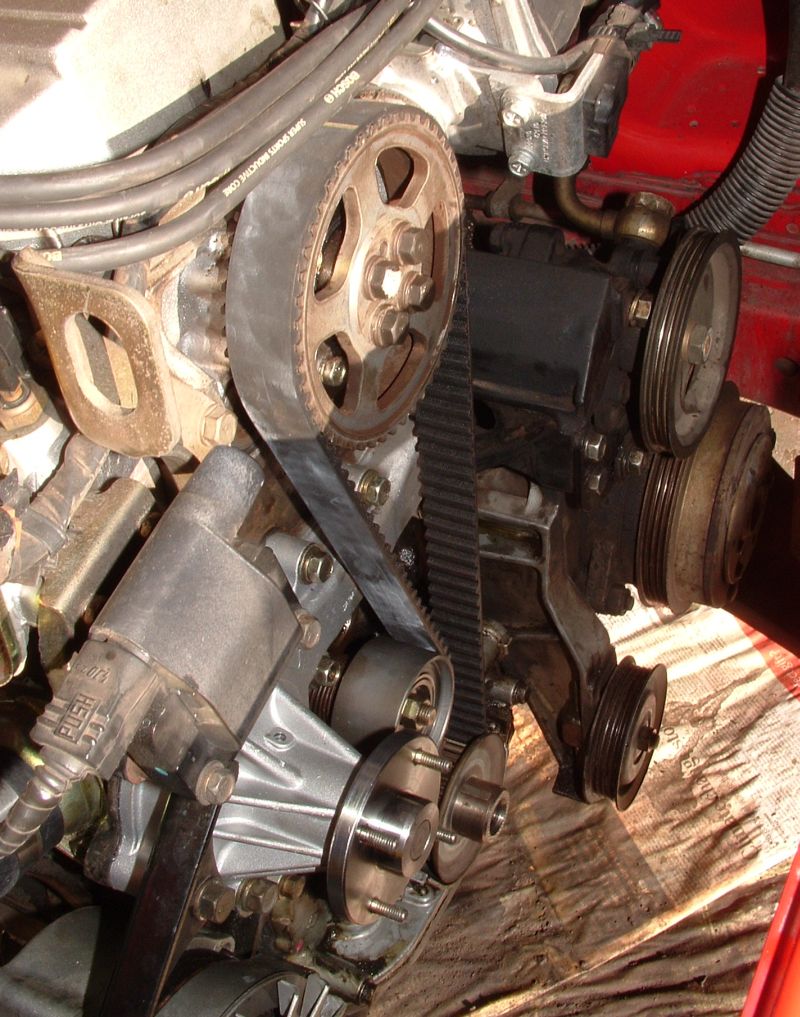
Featured image: Acabashi / Wikimedia Commons, CC BY-SA 4.0. Resized for web under the same licence. The image illustrates an engine bay and does not show a verified engine swap.