When an older premium SUV costs less than a new small car, budget for its original complexity as well as its current asking price. A large used SUV can be enjoyable and practical, but air suspension, large wheels, complex transmissions and electronic accessories may be expensive to maintain. The individual vehicle’s record matters more than a bargain headline.
Why can a luxury SUV be inexpensive to buy?
Used prices reflect age, mileage, demand and expected ownership costs, not just the value of leather seats or a prestigious badge. A vehicle that originally cost a great deal can depreciate steeply while repairs still require model-specific parts or specialist labour. That makes a low purchase price only the start of the calculation.
Compare the same generation and engine rather than assuming all versions share the same mechanical parts. Optional suspension, wheel size and electronics can alter likely maintenance expenses.
Check suspension, tyres and brakes
Ask whether the car has conventional or air suspension and inspect its behaviour at rest and during a controlled drive. Uneven ride height, unusual noises or warning messages warrant professional attention. Do not diagnose an air leak from one photograph or assume every SUV has the same system.
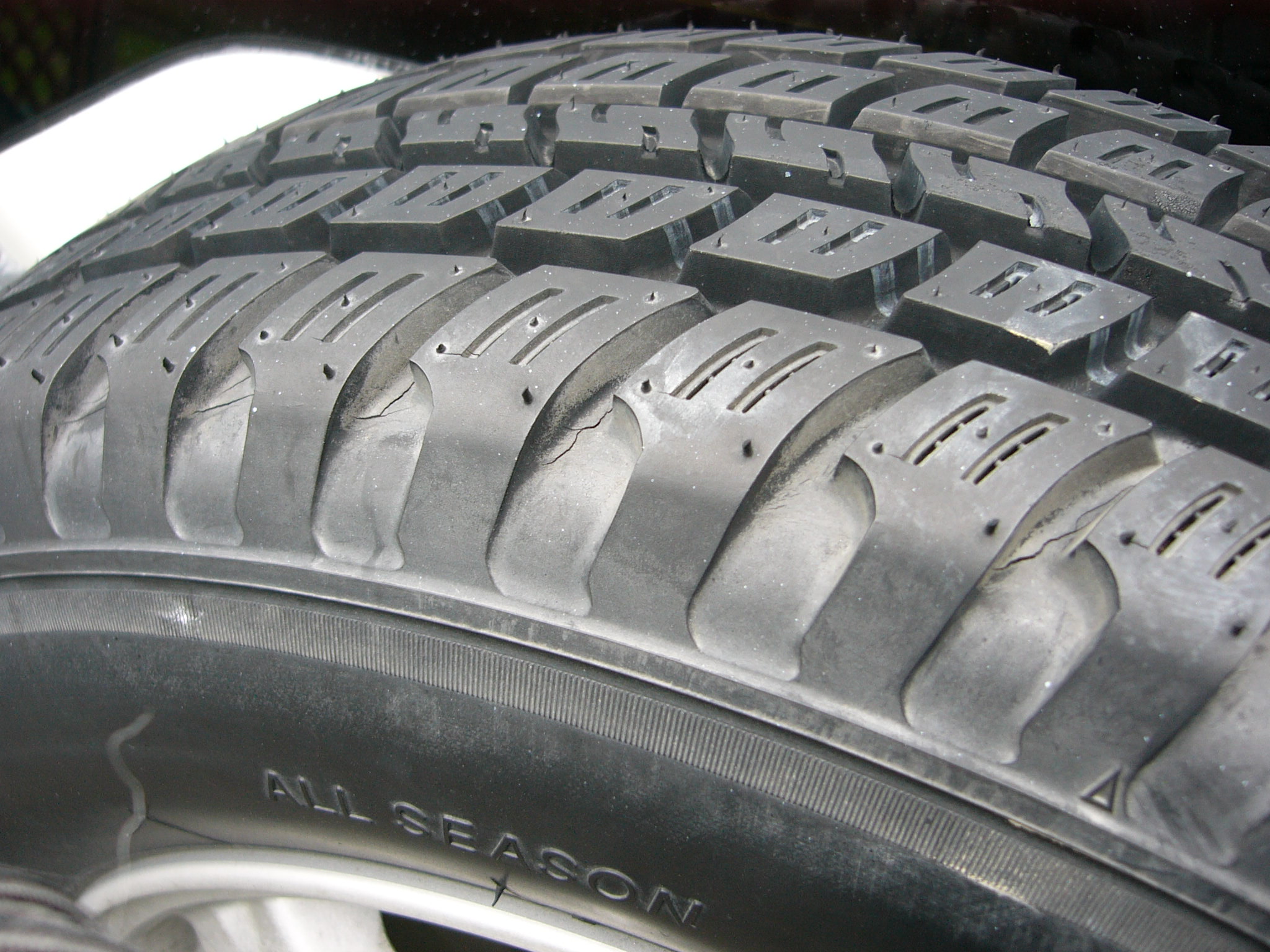
Check tyre size, matching specification, tread wear and wheel damage. Large tyres and specialist brakes can cost more than expected. Obtain current quotations before negotiating if the tyres are near replacement or a brake warning is present.
Engine and gearbox history matters more than badges
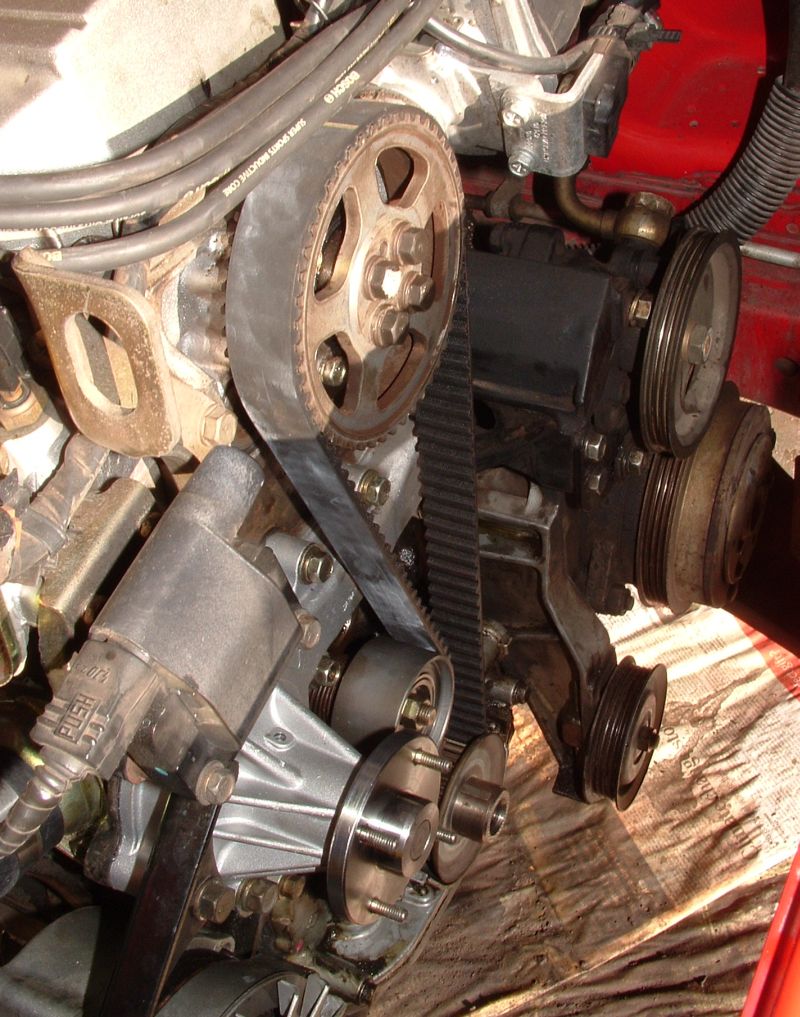
Read invoices for oil changes, filters, coolant work, transmission servicing and major scheduled replacements for the exact engine. A claimed full history without dated work descriptions is weak evidence. Check for fluid leaks, poor starting, smoke or transmission behaviour and consider a specialist inspection.
A fresh MOT remains useful but does not assess the condition of the engine, clutch or gearbox in general. DVSA explains these MOT limits. Check mileage continuity and repeated suspension or corrosion advisories.
Calculate tax and insurance before leaving a deposit
Large older petrol engines can sit in expensive tax bands under rules tied to first registration date and recorded CO2 emissions. Use the exact car’s details and current VED rates, rather than a generic SUV guide. Get an insurance quote using your own circumstances.
Also consider fuel, parking, low-emission restrictions on relevant routes and the possibility of needing specialist repairs. A vehicle’s ability to tow or travel long distances may be valuable to you, but these benefits need to justify the operating costs.
Choose the best documented example
Find out why the seller is moving it on, ask for invoices and seek evidence for any recent expensive repair. Get a professional view on faults you cannot test. Keep a reserve for maintenance and walk away if costs exceed what you can comfortably cover.
Compare the advertised car with the available MOT and mileage records at Rapid Car Check. If you need recorded finance, theft, salvage or insurance history, review RCC’s report options to choose suitable coverage. A history report checks available records, not the vehicle’s mechanical condition or its likely repair costs.