A ghost MOT is a fraudulent certificate issued without the vehicle receiving the required inspection. If you are buying a used car, check its official MOT history before travelling, compare the mileage and test dates with the paperwork and arrange a proper inspection if anything is unclear. A valid MOT record is useful evidence, but it does not prove that a car is mechanically sound today.
The DVSA has introduced an optional photo feature at MOT tests to make this sort of fraud harder. The change began rolling out on 3 August 2026. It is worth understanding what the photographs do, what they cannot prove and the checks you can make yourself before handing over money.
What is a ghost MOT?
A ghost MOT happens when a tester records a pass without carrying out the required test on the vehicle. Someone looking only at the resulting certificate may believe the car has been inspected when it has not. It is a serious problem because faults affecting brakes, tyres, steering or other safety systems may never have been assessed.
This is a real enforcement concern. On 4 February 2026, the DVSA reported a prosecution involving 223 vehicles issued MOT passes without being tested. The defendants were sentenced in January. The case illustrates why a record on its own should never replace an examination of the car you are considering.
What changed with MOT photographs in August 2026?
From 3 August 2026, the DVSA began rolling out a feature that lets MOT testers take and upload a photograph of the vehicle at the testing station. The first phase gave around 2,500 garages across Great Britain access to it. The photograph is intended to give additional evidence that the vehicle was present when its MOT was recorded.
Taking a photo is optional during the phased rollout. A tester can still complete the MOT record without uploading a picture, selecting the appropriate reason in the testing service. There is no sound basis for declaring every MOT without a photograph fraudulent. The DVSA says photographs supplement the normal inspection and do not replace any of the required test.
According to the official DVSA special notice of 29 July 2026, authorised examiners and garage managers can view the photo status through MOT test logs. The notice does not establish a public photo gallery that used-car buyers can search. Ask for the appropriate records and judge the vehicle itself.
How to check the MOT before buying
- Check the actual DVSA history. Enter the registration on the GOV.UK MOT history service and read the test dates, results, recorded mileage and advisory notes
- Compare the mileage. Follow the recorded sequence over several years and compare it with the dashboard, advert and service invoices. Ask about unusual gaps or readings that move backwards
- Check where and when the latest test happened. Ask the seller for the MOT paperwork and any service invoice from the same period. A plausible explanation is useful, especially if the car has changed hands
- Check identity. Compare the registration and VIN on the vehicle with the V5C and the official used-vehicle buying checklist. A copied plate or mismatched body number is a separate reason to stop
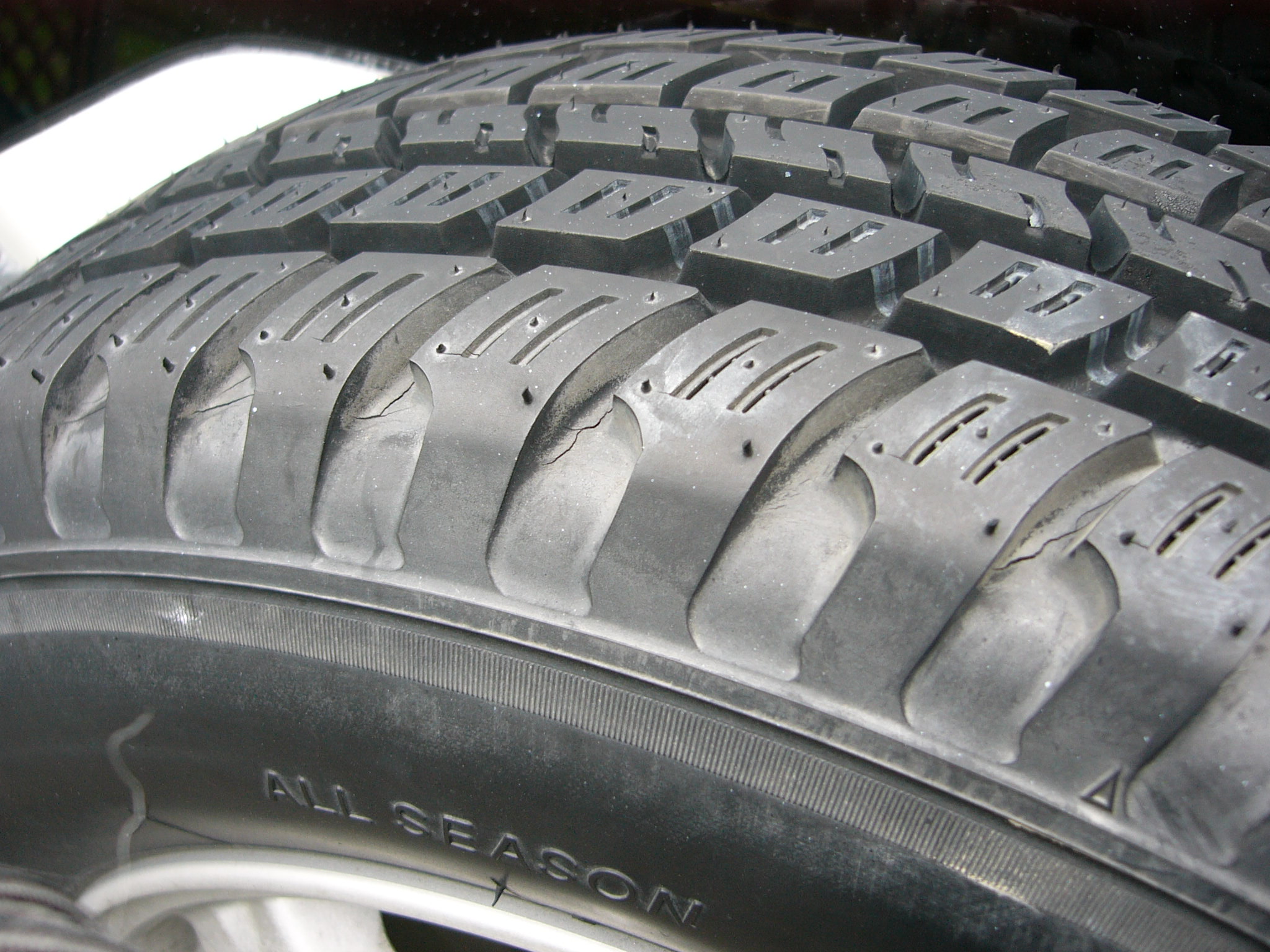
- Inspect the condition. Look at tyre condition, warning lights, fluid leaks, brakes and body condition. If you cannot assess the car confidently, commission a qualified independent inspection before agreeing the purchase
An MOT pass confirms the result recorded at the time of the test. It is not a promise that a fault has not developed since. A recent certificate should sit alongside a test drive, service records and checks of the car itself.
Does an MOT pass prove the car is safe?
No MOT result can guarantee the future condition of a vehicle. Test results also do not establish whether there is outstanding finance, a stolen marker or an insurance write-off in the available history. These are different parts of the buying decision.
Look for patterns, not just the latest pass. Repeated advisories about a component, recurring failures and mileage that contradicts the documents all deserve questions. A careful owner may have repaired the problems and kept invoices to prove it. Ask to see those invoices instead of drawing a conclusion from one line in a database.
What should you do if you suspect a fraudulent MOT?
Do not accuse a seller without evidence. Keep a note of the registration, the dates and the records that appear inconsistent. If you have reason to suspect wrongdoing by an MOT tester or testing station, follow the official DVSA reporting process. If you suspect a stolen or misidentified car, report the concern to the police.
While the situation is unresolved, do not pay a deposit that you cannot safely recover or rely on an assurance that the seller will fix the paperwork later. There are other cars to consider.
Check the history before you view the car. Start with Rapid Car Check’s free MOT and tax check to review available records. If the car is still worth considering, compare the available vehicle history reports to see which covers recorded theft, finance or write-off information. A history check cannot confirm that the mechanical inspection was properly carried out or guarantee the car’s condition.
A sensible decision before making an offer
A well-documented car with a consistent MOT record, credible repair history and an inspection you trust is easier to assess than a car whose seller refuses reasonable questions. MOT photos may help the DVSA detect fraud, but the buyer’s job is unchanged: verify the records, examine the car and know what you are paying for.
Featured photograph: Roman Zázvorka, Wikimedia Commons, CC BY-SA 3.0. The image shows a European vehicle inspection bay and is illustrative. Resized for web display.