A car insurance group check can help you compare models before buying, but the figure is only a guide to insurance costs. Your actual premium depends on the insurer’s assessment of the vehicle, driver and circumstances. Two cars with almost identical asking prices may produce quite different insurance quotations. Obtain real quotes for the individual vehicles before making the final choice, especially if the car is for a new driver or you are working to a tight monthly budget.
Understand the group and newer risk ratings
Traditional UK car insurance groups classify vehicles on a scale from 1 to 50. Factors relating to performance, repairs, value and security can influence the assessment. The industry has also been moving towards a newer vehicle risk rating approach for newer vehicles. An insurance group or rating is information used in risk assessment rather than a fixed price that every insurer must charge. Availability of group or rating information can differ by vehicle. Use the appropriate current information for the exact model and obtain a quotation to establish the actual cost.
Identify the exact version of the car
An engine or trim change may affect the vehicle’s insurance assessment. Ask for the registration and compare the make, model and available specification with the advert. Confirm any modifications or unusual previous use that needs declaring to the insurer. Do not assume that a group quoted for another version of the same model applies to the car you are viewing. Where details remain uncertain, ask the insurer what information is needed. Give accurate answers to quotation questions and check any conditions attached to the proposed cover.
Compare the premium alongside the purchase cost
Consider the annual premium, excess, payment method and any relevant restrictions. Monthly instalments may involve additional costs. As a hypothetical example, a £400 difference in annual insurance costs amounts to £1,200 over three years if that difference remains unchanged. A modest saving on the asking price can therefore be outweighed by ownership costs. Real premiums can change at renewal, so treat any multi-year comparison as a budgeting illustration rather than a guaranteed figure. Look at the overall cost of owning the car you actually need.
Check the car’s history before committing
A recorded theft or damage history may require further investigation and may be relevant to what an insurer asks. Check the available vehicle history and answer insurance questions accurately. The registration check helps establish which car you are considering, but it does not provide a binding insurance quotation. Once you have narrowed the shortlist, obtain insurance quotes for the exact vehicles, assess tax and maintenance costs and arrange an inspection where needed. Do not pay for a car on the assumption that its insurance will be affordable without establishing that first.
Useful reading: Official and independent guidance.
Read the related Rapid Car Check guide. Check this car before you commit.
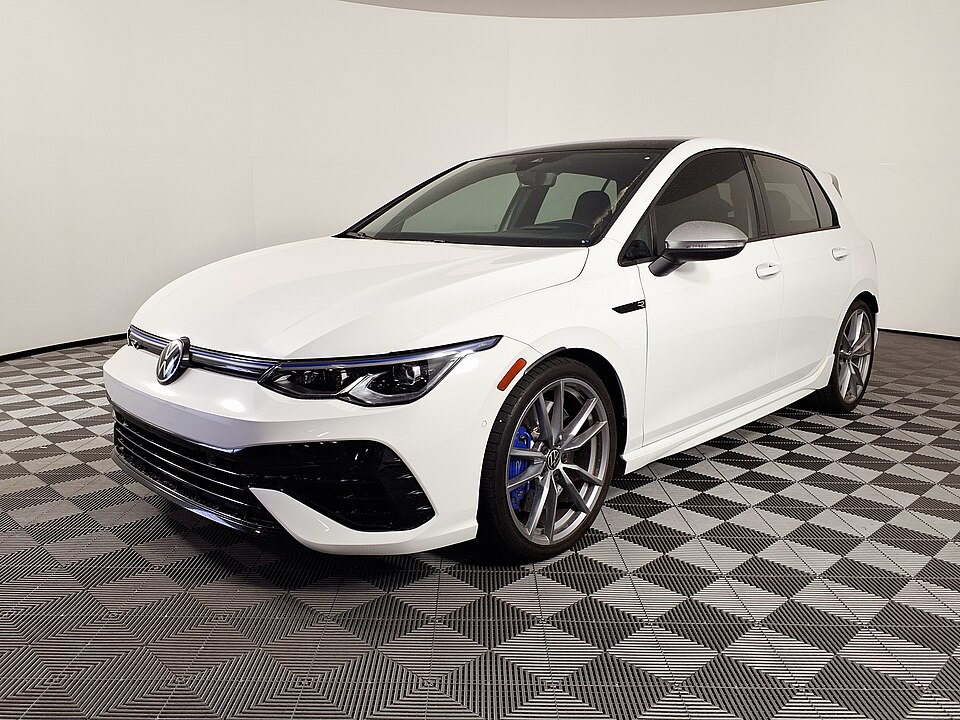
Photo: Alexander Migl, Wikimedia Commons (CC BY-SA 4.0; resized).