The best used car under £5,000 is one with a credible maintenance history and affordable likely repairs, not automatically the newest or lowest-mileage example. Give yourself a budget for insurance, tax, tyres and work needed after purchase. A £4,500 car that needs immediate repairs can cost more than a better-maintained £5,000 car.
Start with the real first-year budget
Set the maximum amount you can spend including getting the car roadworthy and insured. Ask for insurance quotations before viewing, because premiums can vary sharply between apparently similar cars. Check vehicle tax using the exact registration and current DVLA tax tables, not an old listing.
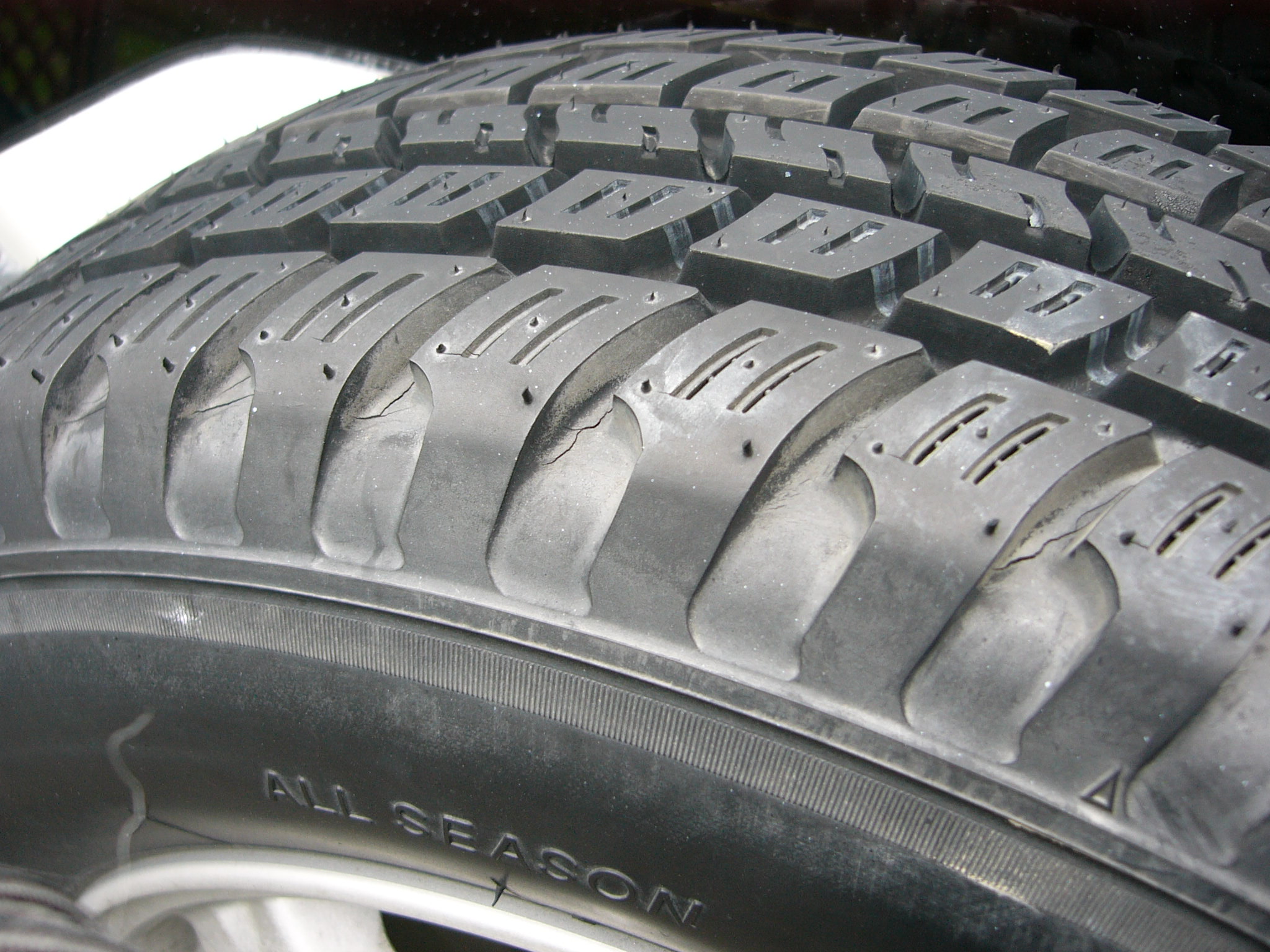
Keep a contingency for tyres, servicing, a battery or an unexpected repair. There is no universal safe percentage: the right amount depends on the vehicle, its condition and the money you can afford to keep aside.
Choose condition over mileage theatre
A tidy 110,000-mile car with regular invoices may be a better proposition than one showing 60,000 miles with unexplained gaps. Both are possibilities, not rules. Look for oil changes, major scheduled work, correct tyres and evidence that defects were repaired. Compare MOT mileage entries with the advert and servicing dates.
Check common failure areas for the exact engine and gearbox variant, not merely the model name. A car’s known reputation is less important than whether the individual example has been maintained correctly.
Ask whether repairs fit your budget
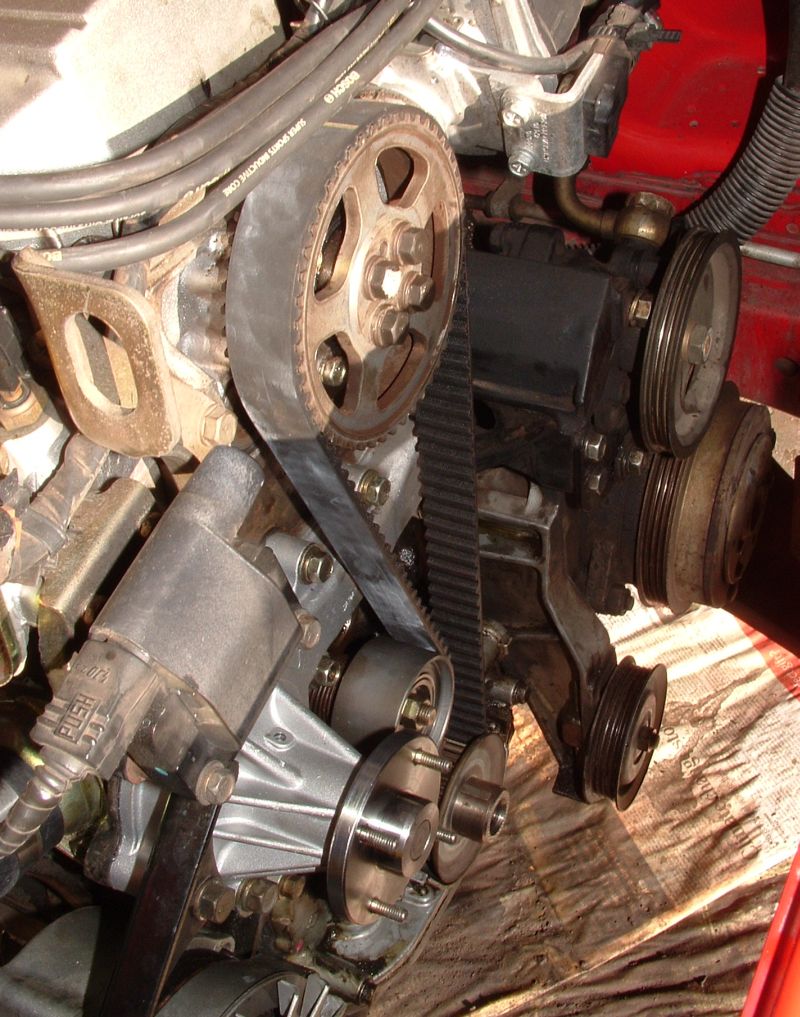
Before offering, ask an independent garage for an estimate of obvious work and parts availability. If a car needs timing-belt work, tyres or suspension repairs, put each item on paper and add them to the asking price. Do not treat an MOT pass as a warranty: DVSA says an MOT does not test general mechanical condition.
Where a seller has repaired something recently, ask for the invoice. A claim that the clutch or chain was done last month is useful only when the work can be verified.
How should you compare shortlist cars?
Keep a simple list recording asking price, MOT due date, insurance cost, tax, known maintenance, tyres, servicing evidence and your estimated work. View the strongest two or three rather than chasing every cheap advert. Be wary of unrealistic promises about condition or an insistence on taking money before inspection.
If a dealer is selling the car, check its identity and complaint history. If buying privately, check the seller and V5C carefully. Citizens Advice outlines the checks and how purchasing rights differ.
Before paying
Make sure the VIN, registration and logbook agree, test the vehicle safely, check for accident or repair evidence and agree precisely what the seller will fix.
Compare the advertised car with the available MOT and mileage records at Rapid Car Check. If you need recorded finance, theft, salvage or insurance history, review RCC’s report options to choose suitable coverage. A history report checks available records, not the vehicle’s mechanical condition or its likely repair costs.