A bespoke MOT and service booking integration can use the customer’s registration to identify the vehicle before applying your garage’s service and pricing rules. This is useful when different vehicles need different service options or when several branches handle appointments. The success of the integration depends on the accuracy of your rules and the connection to the system that controls bookings. Define those responsibilities before deciding which software needs to be built.
Translate the vehicle into a service category
Agree which returned vehicle fields are required to classify the vehicle. Your business may distinguish cars and vans, particular engine types or specialist vehicles. Establish the treatment of unsupported vehicles and cases where the available data is insufficient to classify a motor confidently. Provide a manual quotation route for exceptions. Vehicle identification can help apply your rules consistently, but it cannot determine every mechanical requirement without additional information. Staff should understand which decisions remain subject to inspection or confirmation.
Supply the actual service and price rules
The garage determines its service categories, prices, exclusions and any package discounts. Document how the website should apply them. For example, a hypothetical garage could offer a fixed MOT price and separate service bands for different vehicle classes, with an inspection-based quote for specialist vehicles. Establish who is authorised to change those rules and how a revised price takes effect. Make it clear when a price is fixed, indicative or subject to inspection. Test the combinations before exposing them to customers.
Connect the right appointment process
Decide whether the customer is requesting a date for staff to confirm or selecting from live available slots. A live appointment integration requires a suitable receiving system and agreed capacity rules, including service duration, branch availability and changes or cancellations. If deposits or payments are required, define the payment, refund and confirmation process. Do not display an appointment as confirmed unless the connected workflow actually establishes that outcome. Plan how failed integration requests are handled and how staff can resolve them without losing the original enquiry.
Define the development and acceptance tests
Rapid Car Check’s custom MOT and service booking route can combine vehicle lookup with garage-supplied rules and a suitable booking or CRM connection. The final scope depends on the website and receiving system. Prepare the service list, price table, vehicle categories, branches, appointment requirements and expected usage before requesting a quotation. Test correct and unsupported registrations, mobile layouts, price exceptions, duplicate requests and the staff handover. A straightforward enquiry form may be sufficient for some garages. Commission the bespoke integration when the business genuinely needs vehicle-specific pricing and a connected appointment journey, with responsibilities and acceptance criteria agreed in advance.
Explore the Rapid Car Check service.
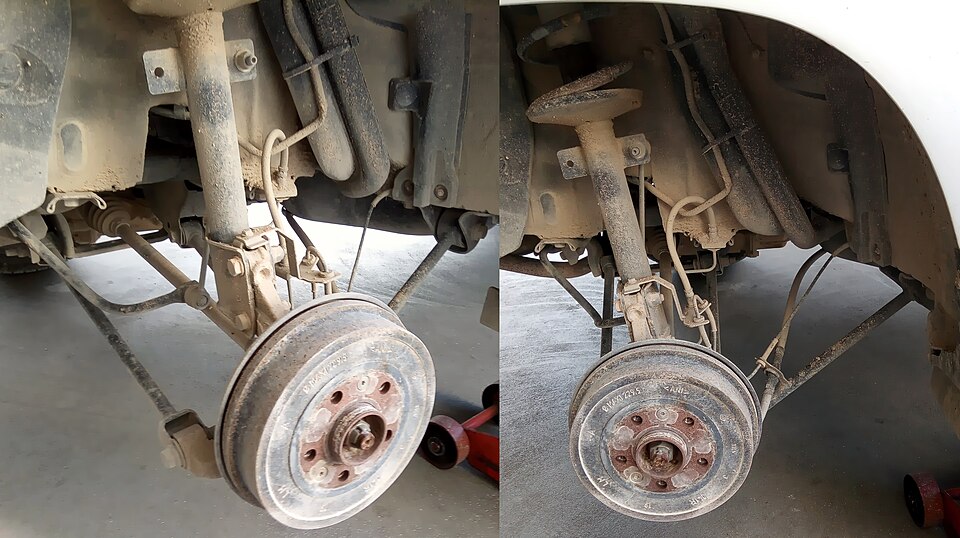
Photo: Alexander Migl, Wikimedia Commons (CC BY-SA 4.0; resized).